Blog / Miami Ford Service

Blog

All Miami Ford Service New Inventory Miami Ford Dealer Midway Ford Service Technology Green Finance Ford EV Service Ford Maverick Ford SUV FordPass App Miami Used Cars News Body Shop Ford Trucks People 2026 Ford Mustang Ford Oil Leak in Miami Rental
Wet Seats in a vehicle

Why Is the Carpet in My Ford Wet After Heavy Rain? Common Door Seal, Sunroof Drain, and Water Leak Problems

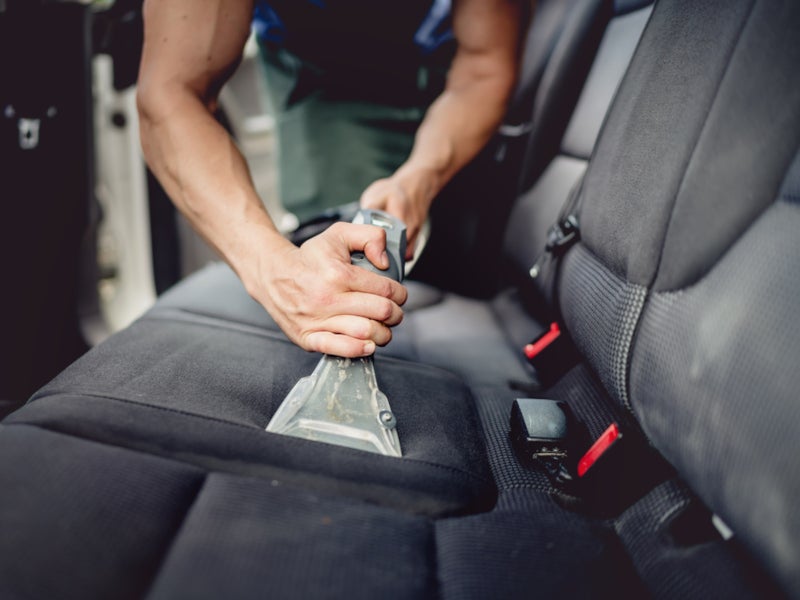
Finding wet carpet in your Ford after heavy rain can be frustrating, especially when all the windows were closed and the vehicle appeared properly sealed. Water may enter through damaged door weatherstripping, clogged sunroof drains, windshield sealing problems, blocked drainage channels, or other openings around the vehicle's body. You might notice damp floor mats, soaked carpeting, standing water in a footwell, foggy windows, or a musty smell that doesn't go away. Miami's frequent downpours can make an existing water leak more noticeable, but the location of the moisture doesn't always reveal where the water entered. If your Ford is repeatedly getting wet inside, identifying the source and drying the affected materials promptly can help prevent further interior damage. Schedule Ford Water Leak Diagnostics Explore Ford Service For drivers in Miami, Doral, Westchester, and Hialeah, interior water intrusion can be especially concerning during periods of heavy rain. Whether you drive a Ford F-150, Explorer, Escape, Expedition, Bronco Sport, or another model, understanding the possible entry points can help you recognize when professional Ford water leak repair in Miami, FL may be necessary. Quick Answer: Why Is the Carpet in My Ford Wet After Rain? If the carpet becomes wet after rain, water may be entering through a body seal, glass seal, drainage system, or another opening. Common possibilities include worn door weatherstripping, blocked sunroof drains on equipped models, leaking windshield seals, clogged cowl drains, damaged door water barriers, and liftgate or body seam leaks. However, a wet passenger-side floor can also result from a blocked air-conditioning evaporator drain or a heater-core leak, even when rain isn't involved. The best next step is to note where the moisture appears, when it develops, and whether it happens after rain, an automatic car wash, or AC operation. If the problem returns or the carpet padding is soaked, arrange a professional inspection. How Does Rainwater Get Inside a Ford With the Windows Closed? Modern Ford vehicles use weatherstripping, body seals, drainage channels, and carefully positioned openings to help manage rainwater. Some exterior areas are designed to allow water to pass through controlled drainage paths without entering the passenger compartment. For example, water that enters certain areas of a door is intended to drain back outside the vehicle. Likewise, a sunroof-equipped vehicle may use drain tubes to channel water away from the roof opening. When a seal deteriorates, a drainage path becomes blocked, or a component is improperly positioned, water may move somewhere it shouldn't. It can then travel behind interior panels, down a pillar, or beneath carpeting before collecting on the floor. This is why the wettest area of the carpet isn't always directly below the leak. A damp passenger footwell could be caused by water entering higher up near the windshield or roof rather than through the floor itself. Common Causes of Ford Interior Water Leaks After Heavy Rain 1. Damaged or Worn Door Weatherstripping Door weatherstripping helps create a seal between the door and the vehicle body. Over time, a seal may become damaged, displaced, compressed, or torn. This can allow water to enter when rain hits the vehicle from certain directions. A door that is misaligned or not closing properly may also prevent the weatherstripping from making consistent contact. Possible warning signs include: Water collecting near the door sill or carpet edge. Dampness appearing after wind-driven rain. Visible gaps, tears, or flattened areas in the door seal. Water marks along interior trim near the door opening. Unusual wind noise that develops along with the moisture problem. However, a damp floor near the door doesn't automatically mean the outer weatherstripping needs replacement. Water may also be entering through the door assembly itself and escaping into the cabin instead of draining outside. 2. Clogged Sunroof or Panoramic Roof Drains If your Ford has a sunroof or panoramic roof, the drainage system is another possible source of interior water intrusion. Depending on the model, the sunroof assembly may include channels and drain tubes designed to route water away from the roof opening. Leaves, dirt, and other debris can interfere with these drainage paths. If water cannot drain correctly, it may overflow into surrounding areas or travel along the headliner and interior pillars. This can cause moisture to appear in unexpected places, including front footwells, rear carpeting, and areas around the headliner. Signs that may suggest a sunroof drainage issue include: Damp headliner material near a roof opening. Water stains along an interior roof pillar. Moisture appearing after rain or a car wash. Water collecting in the front or rear footwell. A leak that occurs even though the sunroof is fully closed. Not every Ford has the same roof design or drainage arrangement, so the correct inspection procedure depends on the specific model. Avoid pushing wire, metal tools, or high-pressure compressed air into a sunroof drain. These methods can damage a drain tube or disconnect it from its fitting, potentially making the leak worse. 3. Windshield Sealing Problems The windshield is bonded to the vehicle body with automotive adhesive that also helps prevent water intrusion. If the sealing bond is compromised or the glass has been improperly installed, rainwater may find a path into the cabin. This possibility may be worth investigating when the vehicle has had a windshield replacement or previous body repairs. Water entering around the windshield can travel down interior pillars, behind the dashboard, and into the carpeting. You may notice dampness near the lower windshield corners, water stains around the headliner, or moisture beneath the dashboard. A professional inspection can help distinguish a windshield sealing concern from a nearby cowl or body seam leak. Avoid applying household caulk or adhesive around the windshield as a temporary repair. Proper windshield sealing involves vehicle-specific materials and procedures. 4. Blocked Cowl Drains and Air Intake Channels The cowl is the area near the base of the windshield, where rainwater is normally directed away from the vehicle. Depending on the Ford model, this area may also contain an outside-air intake for the heating and air-conditioning system. Leaves, dirt, and road debris can accumulate near drainage openings. When water cannot drain as intended, it may collect in the cowl area and potentially enter through a compromised seal or air intake opening. This can contribute to water appearing in a front footwell or near the HVAC housing. A blocked drain may be particularly noticeable after a strong Miami thunderstorm, when a large amount of rain falls within a short period. A technician can inspect drainage paths, seals, and the surrounding area to determine whether water is being directed into the passenger compartment. 5. Door Drainage or Interior Water Barrier Problems It's normal for some rainwater to pass into designated channels inside many vehicle doors, particularly near the movable window glass. That water is intended to drain through openings at the bottom of the door and exit outside. If those openings become obstructed, or if an internal water barrier is damaged or improperly sealed, water may collect or escape toward the cabin. A problem with an interior door barrier may cause moisture to appear beneath the door trim or along the carpet edge. This can be mistaken for a failed outer door seal. Since locating the barrier may require removing interior door panels, professional inspection is recommended rather than disassembling the door at home. 6. Liftgate, Trunk, or Rear Body Seals If the carpeting is wet in the rear of your Ford, consider whether water may be entering around the liftgate, trunk opening, rear glass, or body seams. On SUVs such as the Explorer, Escape, and Expedition, damaged liftgate weatherstripping or another rear sealing concern may allow water into the cargo area. The water can travel beneath rear trim and carpeting before it becomes visible. Depending on the model, moisture may also collect near a spare-tire well or other recessed storage area. Check accessible storage compartments for dampness, but don't remove electrical components or interior trim to search for the source. 7. Body Seams, Wiring Pass-Throughs, and Other Sealing Points Vehicle bodies contain joined panels, sealed openings, and pass-through points for wiring and other components. If a seal or grommet becomes damaged or displaced, water may enter through an opening that isn't obvious from outside the vehicle. Previous collision repairs, accessory installations, or other work involving body panels can sometimes make these areas worth inspecting. However, a water leak doesn't automatically mean the vehicle has a manufacturing defect or previous repair problem. Proper diagnosis involves following the water's path to identify the actual entry point. Wet Driver-Side vs. Passenger-Side Carpet: Does the Location Matter? The location of the moisture can provide useful clues, but it cannot confirm a repair by itself. Driver-Side Carpet Is Wet After Rain Possible areas to investigate include the driver's door seals, door drainage, lower windshield area, cowl, roof drainage paths, and nearby body seams. If the moisture is concentrated near the pedals or beneath the dashboard, tell the technician exactly where it first appears. Front Passenger-Side Carpet Is Wet A wet passenger footwell may involve a windshield or cowl leak, a door-related problem, or water traveling from a roof drainage system. The HVAC system is another possibility because a blocked A/C evaporator drain can cause condensation to collect inside the cabin. A heater-core leak can also cause moisture in this area, although its symptoms differ from ordinary rainwater. Rear Passenger Floor Is Wet Rear-floor moisture may involve a rear door seal, roof drainage path, rear body opening, or water that has traveled underneath the carpeting from another area. The leak may be located some distance from the area where water eventually collects. Trunk or SUV Cargo Area Is Wet Moisture in the rear cargo compartment may suggest an issue involving rear glass, liftgate or trunk weatherstripping, taillight-area sealing, or another rear body opening. Check whether accessible storage wells or carpeted cargo panels are damp after rainfall. Helpful diagnostic clue: Water can travel behind trim and underneath carpet padding before it becomes visible. The location of the puddle may not be the location of the leak. Is It Rainwater, A/C Condensation, or a Heater-Core Leak? Not every wet carpet is caused by rain entering through an exterior seal. Understanding when the moisture appears and what the fluid looks or smells like can help narrow the possibilities. Rainwater Intrusion Rainwater intrusion is more likely when moisture appears after a storm, an automatic car wash, or water exposure around the exterior of the vehicle. The fluid is often clear and watery, although dirt or other material inside the vehicle can affect its appearance. Common entry points include seals, glass bonding areas, drains, and body openings. A/C Condensation and a Blocked Evaporator Drain Your Ford's air conditioning removes humidity from the cabin air. That moisture normally drains outside the vehicle through the evaporator drainage system. A small puddle of clear water beneath a parked vehicle after using the A/C can be normal. However, if the evaporator drain becomes blocked or another HVAC drainage problem develops, condensation may collect inside the vehicle. This can produce damp carpeting even when it hasn't rained. If you notice wet carpet primarily after prolonged air-conditioning use, mention that pattern during your service appointment. A Possible Heater-Core Leak The heater core is part of the vehicle's cabin heating system and uses engine coolant to help provide heat. A heater-core leak may allow coolant to escape inside the vehicle. Possible clues include a sweet or unusual odor from the vents, moisture on the carpet, persistent window film or fogging, and a dropping coolant level. Coolant color varies, so color alone cannot confirm whether the liquid is coolant. A coolant leak deserves prompt professional attention because coolant loss can eventually affect engine cooling. If your Ford displays an overheating warning, stop safely and follow the owner's manual. Never remove the cap from a hot cooling system. Why Heavy Miami Rain Can Expose Existing Water Leaks South Florida's weather can make small sealing and drainage problems much more noticeable. A seal that appears adequate during light rain may allow water to enter during a prolonged downpour or when strong winds direct rain toward a particular opening. Likewise, a partially blocked drain may cope with a small amount of water but overflow when rainfall becomes intense. Miami: Heavy Rain and Busy Daily Driving Miami drivers frequently experience sudden changes between sunny weather and heavy rain. If a Ford develops damp carpeting after storms, it helps to note whether the vehicle was parked or being driven when the leak occurred. That information can help distinguish problems related to stationary rainfall from issues affected by vehicle movement and water spray. Doral: Parking Lots and Repeated Rain Exposure Drivers around Doral may leave their vehicles parked outdoors for extended periods during work or errands. A small leak can allow moisture to accumulate over multiple storms, even if the cabin doesn't initially develop a visible puddle. Checking for dampness after a particularly heavy rainfall can help identify a developing problem. Westchester: Neighborhood Parking and Daily Use For drivers around Westchester, wet floor mats or a persistent musty smell may be the first sign of a water intrusion problem. If the moisture returns despite drying the carpet, the underlying entry point may still be allowing water inside. Hialeah: Sudden Downpours and Water Accumulation During strong thunderstorms, standing water can accumulate on some roads and parking areas. Water that enters because the vehicle has been exposed to significant flooding is a different concern from an ordinary door seal or drainage leak. If water has entered the passenger compartment from a flooded roadway, the vehicle may need additional inspection before being driven or started. What Are the Warning Signs of Water Damage Inside Your Ford? A visible puddle is an obvious warning, but smaller leaks may produce less noticeable symptoms. Persistent Damp Carpet or Floor Mats Carpet that remains damp after the vehicle has been parked may indicate that water is trapped beneath the visible surface. Carpet padding and sound-insulating materials can retain moisture even when the upper carpet begins to feel dry. Musty or Mold-Like Odors A persistent musty smell may indicate moisture trapped in carpeting, padding, upholstery, or ventilation components. Air fresheners may temporarily hide the odor but won't address the moisture source. Windows That Fog Frequently Moisture inside the passenger compartment can increase cabin humidity and contribute to fogging windows. Window fogging can also result from weather and ventilation conditions, so it doesn't necessarily confirm a water leak. However, unusual fogging combined with damp carpet is worth investigating. Water Stains on the Headliner or Interior Pillars Water marks near the roof, windshield, or door pillars may indicate that moisture traveled along an interior surface. These stains can be useful clues when tracking the path of a leak. Unexpected Electrical Problems Some vehicles have wiring, connectors, or electronic modules located near floor-level areas or behind interior trim. Depending on the location and severity of water intrusion, moisture exposure can contribute to electrical problems. Warning lights, malfunctioning accessories, or other unexplained electrical symptoms that begin after a leak should be inspected promptly. Avoid touching wet wiring, opening electrical enclosures, or attempting to disconnect affected components. Can Wet Carpet Cause Mold or Long-Term Interior Damage? Yes. Moisture that remains trapped in carpet, padding, or other absorbent materials can create conditions that support mold growth and unpleasant odors. It may also contribute to deterioration of interior materials and, in some circumstances, corrosion or electrical concerns. The sooner the leak is addressed and the affected materials are dried, the easier it may be to limit further damage. A useful general rule is to begin drying wet materials as soon as possible, ideally within 24 to 48 hours. However, this is not a guarantee that mold cannot develop, and vehicle carpeting may contain padding or insulation that requires specialized drying or replacement. If the interior has been repeatedly soaked, has standing water, or smells strongly of mildew, professional cleaning or water-damage remediation may be necessary in addition to repairing the leak. What Should You Do When You Find Wet Carpet in Your Ford? There are several safe steps you can take without removing interior panels or attempting complex repairs. Move the vehicle to a dry, safe location. If the vehicle is otherwise safe to operate, parking under cover can help prevent additional rainwater from entering while the problem is investigated. Remove loose floor mats. Take out removable mats and check whether the carpeting underneath is damp. Note where the water appears. Check the driver and passenger footwells, rear carpeting, and accessible cargo areas. Look for visible seal damage. With the vehicle safely parked, visually inspect accessible door weatherstripping and obvious sealing areas for tears, gaps, or displaced material. Check that windows and roof openings are closed. Confirm that the doors, windows, and sunroof, if equipped, are fully closed. Document the symptoms. Take photos of water accumulation or stains and note whether the problem occurred after rain, a car wash, or A/C use. Begin safe moisture removal. For a minor clean-water leak, remove water from accessible surfaces using suitable towels or a wet vacuum, then use safe ventilation or dehumidification where appropriate. Arrange professional diagnostics. If the carpet remains soaked, the leak returns, or electrical symptoms are present, have the vehicle inspected. Avoid removing the dashboard, interior pillar trim, seats, or electrical components simply to locate the water source. These areas may contain airbags, wiring, sensors, or other components requiring specific service procedures. Drying reminder: Drying the visible carpet surface may not remove moisture trapped underneath. If the padding is saturated, a professional may need to inspect and dry or replace affected materials. Important: A Rain Leak Is Different From Flood Damage A small amount of rainwater entering through a door seal is not the same as a vehicle being submerged or exposed to deep floodwater. If your Ford has been flooded, has significant standing water inside, or has water exposure involving electrical components, do not attempt to start or drive it until it has been professionally assessed. Floodwater may contain contaminants, and electrical or mechanical damage may not be immediately visible. Hybrid and electric vehicles require additional precautions because they contain high-voltage systems. Never touch orange high-voltage cables, exposed electrical components, or damaged battery equipment. Arrange appropriate roadside assistance or towing if the vehicle may be unsafe to operate. Should You Try to Unclog a Ford Sunroof Drain Yourself? If you can safely see leaves or loose debris resting on an accessible exterior surface, removing that debris may help keep water from accumulating. However, forcing tools into a drain tube can create additional problems. Avoid using metal wire, coat hangers, sharp tools, or high-pressure compressed air inside roof drainage components. These methods can damage a tube or disconnect it from its fitting. A disconnected drain tube may allow water to empty directly into the vehicle's interior. If you suspect a blocked or damaged sunroof drain, professional inspection is the better option, especially when the headliner or pillars are already wet. Can You Fix a Ford Water Leak by Adding Sealant? Not necessarily. Applying sealant without identifying the actual entry point may fail to stop the leak or interfere with drainage paths that are supposed to remain open. For example, blocking a door drain could cause water to accumulate inside the door instead of exiting normally. Windshield and body seam repairs may also require specific sealing products and procedures. The proper repair depends on whether the cause is damaged weatherstripping, a clogged drain, a failed glass bond, a displaced grommet, or another condition. Identifying the source before applying sealant can help avoid unnecessary work and repeated leaks. How Do Technicians Diagnose a Ford Interior Water Leak? Water intrusion can be more difficult to diagnose than it first appears because the entry point and the wet carpet may be far apart. A professional inspection may involve several steps, depending on the Ford model and where moisture is accumulating. Inspecting Weatherstripping and Door Alignment Technicians may inspect accessible seals, door fitment, and surrounding trim for damage, gaps, or improper contact. If the moisture is near a door opening, they may also evaluate internal door drainage and water barriers. Checking Roof and Cowl Drainage On equipped vehicles, the inspection may include sunroof drain channels, tubes, and outlets. Cowl drainage and other front-end water-management areas may also be checked for restrictions or sealing problems. Evaluating Windshield and Body Seams If moisture is concentrated near the front of the vehicle, a technician may investigate glass sealing and nearby body openings. Repair history, including previous windshield replacement or collision work, may provide useful context. Performing a Controlled Water Test When appropriate, a technician may use a controlled, low-pressure water test to help reproduce the leak. This can help identify where water enters without immediately disassembling large sections of the interior. High-pressure spraying is not the appropriate way to recreate normal rainfall and may force water past seals that would otherwise work correctly. Inspecting Wet Carpet and Hidden Moisture If the vehicle has accumulated significant moisture, the inspection may also evaluate the carpet backing, insulation, and nearby components. Simply drying the visible surface may not be enough when water has soaked deeper materials. Checking for Electrical or HVAC-Related Concerns Depending on the symptoms, technicians may investigate whether water has affected wiring or whether the moisture originates from the HVAC system instead of the exterior. This may involve checking evaporator drainage or looking for signs of a heater-core leak. The goal is to identify the source of the problem and determine the appropriate repair rather than replacing multiple seals without confirming the cause. Need Ford Water Leak Diagnostics in Miami, FL? Midway Ford's service team provides general automotive repair and Ford vehicle diagnostics. If your Ford has wet carpeting, a damp cargo area, or a recurring leak after rain, contact the service department to discuss the symptoms and arrange an appropriate inspection. Let the team know whether the moisture appears after heavy rain, a car wash, or A/C operation, and whether you've noticed musty odors, fogging windows, or electrical concerns. Schedule Ford Service Call Midway Ford Service When Should You Schedule Service for a Wet Ford Interior? A small spill that dries completely may not require a major inspection. However, recurring dampness after rain or unexplained water accumulation inside the vehicle deserves attention. Contact a professional if you notice: Wet carpeting after more than one rainstorm. Standing water in a front or rear footwell. Persistent moisture beneath the floor mats. Water stains around the headliner or windshield. A musty odor that returns after cleaning. Windows that repeatedly fog along with interior dampness. Moisture inside the trunk or rear cargo area. Electrical warnings or malfunctioning accessories after water exposure. A possible coolant smell or unexplained coolant loss. If water has entered during flooding or the vehicle may have exposed electrical components, arrange a professional assessment before attempting to start or drive it. How Can You Reduce the Risk of Interior Water Leaks? Some water leaks develop because of damage, wear, or unexpected component problems. They cannot all be prevented through routine maintenance. However, checking accessible areas can help you identify developing concerns earlier. Inspect Visible Weatherstripping When washing your Ford, look for obvious tears, displaced seals, or areas where the door weatherstripping is no longer seated correctly. Avoid using harsh cleaners or chemicals that aren't recommended for the sealing materials. Keep Accessible Drainage Areas Free of Loose Debris Leaves and debris can accumulate near roof openings, the base of the windshield, and other exterior drainage areas. Remove loose material that is safely accessible, but don't insert tools into hidden drain tubes or remove protective panels. Check the Cabin After Heavy Rain If your Ford is regularly parked outside, check the floor mats and accessible cargo area after a major storm. Noticing a leak early may make it easier to describe when and where the moisture appeared. Address Small Leaks Before They Become Recurring Problems If you notice occasional moisture, don't assume it will resolve on its own. Repeated water exposure can soak carpet padding and create more extensive interior cleaning needs. Identifying and repairing the entry point early can help limit further moisture accumulation. Frequently Asked Questions About Ford Wet Carpet and Water Leaks Why is my Ford carpet wet after heavy rain? Possible causes include damaged door weatherstripping, clogged sunroof drains, windshield sealing problems, blocked cowl drains, and other body openings. Water may travel behind interior trim before collecting in the carpet. Professional testing can help locate the source. Can a clogged sunroof drain cause wet floors in a Ford? Yes. On sunroof-equipped Ford vehicles, blocked or disconnected drainage tubes may allow water to collect around the roof opening or travel into the interior. Moisture may appear in the headliner, pillars, or carpeting. Why is my Ford's passenger-side floor wet but the windows are closed? Water may be entering through the windshield area, cowl, passenger door, roof drains, or another body opening. A blocked A/C evaporator drain or heater-core leak can also cause a wet passenger footwell without rain entering through a window. Can a leaking windshield make the carpet wet? Yes. A compromised windshield sealing bond can allow water to travel behind interior trim and reach the floor. Previous windshield replacement may be relevant, but it does not automatically mean the glass installation caused the problem. Why does my Ford smell musty after it rains? A musty smell may indicate trapped moisture in carpeting, insulation, or other interior materials. Possible causes include water intrusion, HVAC drainage problems, or moisture that hasn't been thoroughly dried. Locate the source rather than simply masking the odor. Is water dripping underneath my Ford normal? A small amount of clear water dripping beneath a vehicle after air-conditioning use is often normal condensation. Water accumulating inside the cabin, however, may indicate a blocked evaporator drain or another water intrusion problem. How can I tell if the wet carpet is caused by a heater-core leak? A heater-core leak may produce a sweet coolant odor, unusual window film or fogging, moisture inside the cabin, and a dropping coolant level. These symptoms require professional evaluation, especially if the engine temperature is also abnormal. Can wet carpet damage electrical components in my Ford? It can, depending on the amount of water and the location of wiring, connectors, and electronic modules. If electrical warning lights or accessory malfunctions appear after water exposure, have the vehicle inspected and avoid handling wet electrical components. Will drying my Ford's carpet fix a water leak? Drying the carpet can help limit moisture damage, but it won't repair the opening or drainage problem that allowed water inside. If the leak remains, the carpet may become wet again during the next rainstorm. How quickly should I dry wet carpet in my Ford? Begin drying as soon as possible. General moisture-control guidance recommends thoroughly drying wet materials within about 24 to 48 hours when feasible. Carpet padding may retain water beneath the surface, and severe or repeated soaking may require professional drying or replacement. Can I drive my Ford if the carpet is wet? Minor clean-water dampness without other symptoms may not prevent normal vehicle operation, but the leak should still be inspected. If the vehicle has been flooded, has significant standing water, or shows electrical problems, do not start or drive it until it has been professionally assessed. Where can I get Ford water leak diagnostics near Miami, FL? Midway Ford provides Ford vehicle service and general automotive diagnostics for drivers from Miami, Doral, Westchester, Hialeah, and nearby communities. You can schedule a service appointment online or call 305-646-9053 to discuss interior moisture and water intrusion concerns. Get Help With Ford Interior Water Leaks at Midway Ford in Miami If your Ford's carpeting becomes wet after heavy rain, the issue may involve a damaged seal, blocked drainage system, windshield opening, or another water intrusion path. Finding the cause early can help prevent repeated moisture exposure, persistent odors, and damage to interior materials. Midway Ford's factory-trained technicians provide general automotive service and diagnostic support for Ford owners throughout Miami, Doral, Westchester, Hialeah, and surrounding South Florida communities. When contacting our service team, explain where the water appears, when it happens, and whether you've noticed any related odors, window fogging, or electrical symptoms. That information can help determine the appropriate inspection and next steps. You can also visit our Ford Service Department or review our current service and parts specials for applicable maintenance offers. Water leak diagnostics and interior repairs may have separate pricing. Schedule Ford Water Leak Service in Miami, FL Tired of finding damp carpeting or standing water inside your Ford after every heavy rainstorm? Contact Midway Ford to discuss your vehicle's symptoms and arrange an inspection. Our service team can help determine the appropriate diagnostic steps for your water intrusion concern. Schedule Ford Service Call Midway Ford Service Midway Ford 8155 W Flagler St Miami, FL 33144 Service: 305-646-9053 This article provides general information and is not a substitute for professional vehicle inspection or your Ford owner's manual. Water intrusion sources, roof drainage systems, body seals, HVAC components, and electrical system layouts vary by model and model year. Avoid removing interior trim, modifying drainage systems, opening electrical components, or applying unapproved sealants without appropriate service information. Flood-exposed, hybrid, and electric vehicles may require additional safety precautions. If your vehicle has been submerged, contains significant standing water, or displays electrical concerns after water exposure, arrange professional assessment before starting or driving it.
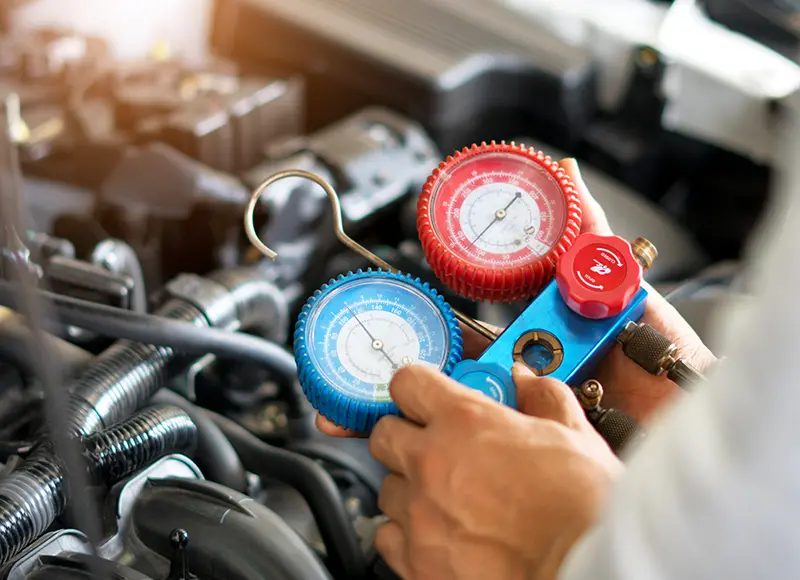
Ford Truck AC Service in Miami, FL

Why Does My Ford AC Blow Cold While Driving but Warm at Idle? Common Cooling Fan, Compressor, and Refrigerant Problems Explained

Does your Ford AC blow warm at idle but return to cold air as soon as you start driving? This frustrating problem can become especially noticeable when you're stopped at a traffic light, waiting in a parking lot, or sitting in Miami traffic on a hot afternoon. One common explanation is inadequate airflow through the air-conditioning condenser while the vehicle is stationary. A malfunctioning cooling fan, low refrigerant, a refrigerant leak, compressor trouble, or a restricted condenser can all contribute to inconsistent cooling. Although certain driving conditions can temporarily affect AC performance, a system that repeatedly blows warm air at idle may need professional attention. Understanding the symptoms can help you determine when to schedule Ford AC diagnostics rather than assuming the system simply needs a refrigerant recharge. Schedule Ford AC Diagnostics Explore Ford Service For Ford owners around Miami, Westchester, Fontainebleau, and Sweetwater, reliable air conditioning is an important part of comfortable daily driving. Whether you drive an F-150, Explorer, Escape, Expedition, or another Ford, understanding why your AC cools better while moving can help you recognize when a professional Ford AC repair in Miami, FL may be necessary. Quick Answer: Why Does My Ford AC Blow Cold While Driving but Warm at Idle? One common cause is insufficient airflow across the AC condenser when the vehicle is stopped. While driving, outside air passes through the condenser and helps remove heat from the refrigerant. At idle, the system relies more heavily on cooling fans to move air through the condenser. If a fan isn't operating correctly, the condenser is obstructed, or the AC system has another fault, cooling performance may decrease until the vehicle starts moving again. Other possible causes include low refrigerant, refrigerant leaks, compressor performance problems, and malfunctioning pressure sensors or electronic controls. The exact cause requires diagnosis. A Ford that repeatedly loses cooling while stationary doesn't automatically need a new compressor or more refrigerant. Why Does Your Ford AC Work Better When the Vehicle Is Moving? Your Ford's air-conditioning system moves heat from inside the cabin to the outside air. Refrigerant circulates through components such as the compressor, condenser, expansion device, and evaporator. Together, these parts help absorb heat from the cabin and release it outside the vehicle. One of the most important components in this process is the condenser, which is typically positioned near the front of the vehicle. How Airflow Helps the AC Condenser The condenser needs sufficient airflow to release heat from the refrigerant. While you're driving at road speed, air naturally flows through the vehicle's front grille and across the condenser. When your Ford is stopped, that natural airflow decreases significantly. Cooling fans help provide the airflow needed when the vehicle isn't moving. If the cooling fan system isn't operating as intended, the condenser may struggle to release heat. Refrigerant pressures and temperatures can rise, reducing AC performance. Once the vehicle begins moving again, additional airflow may temporarily improve cooling. This explains why AC that gets cold on the highway but warm at stoplights often leads technicians to investigate condenser airflow and cooling fan operation. Is Some Reduction in AC Cooling at Idle Normal? Extremely hot weather, a sun-heated cabin, and extended idling can place additional demands on a vehicle's AC system. Depending on the Ford model and operating conditions, you may notice some change in cooling performance while stationary. However, air that repeatedly becomes noticeably warm at every stoplight, followed by a return to cold air when driving, may indicate a developing problem. The most useful clue is whether the behavior is consistent and noticeably different from how the vehicle previously operated. Common Causes of Ford AC That Blows Warm at Idle Several air-conditioning and engine-cooling components can produce similar symptoms. Understanding the possible causes can help you describe the problem during your service appointment. 1. Malfunctioning Radiator or Condenser Cooling Fan A cooling fan problem is one of the first possibilities technicians may investigate when AC works well at road speed but poorly at idle. Depending on the Ford model, the AC condenser may share airflow from an electric radiator fan system or use another fan arrangement. These fans help move air across the condenser when the vehicle is stopped or traveling slowly. Possible problems include: A malfunctioning electric cooling fan motor. Electrical wiring or connector problems. A faulty fan relay or control module, where applicable. Fan-speed or control-command problems. Damaged fan shrouds or other airflow-management components. A cooling fan may work intermittently, operate at an incorrect speed, or fail to turn on when needed. At road speed, natural airflow can sometimes compensate for inadequate fan operation. When stopped, the problem becomes more noticeable. However, the fan's behavior alone isn't proof that the fan motor needs replacement. A technician may need to test electrical commands, actual fan operation, and related components. 2. Low Refrigerant or a Refrigerant Leak Refrigerant is essential to the air-conditioning system's ability to absorb and release heat. If the refrigerant charge becomes too low, the system may not maintain normal cooling performance under demanding conditions. Depending on the vehicle, low refrigerant can contribute to warmer air at idle, inconsistent cooling, or compressor operation that changes unexpectedly. Potential leak locations include refrigerant hoses, fittings, seals, the condenser, and other AC components. A refrigerant leak may develop gradually, making the loss of cooling performance more noticeable over time. Adding refrigerant is not the same as repairing a leak. If refrigerant is escaping, simply topping off the system may provide only temporary improvement. A professional inspection can help determine whether the charge is incorrect, whether a leak is present, and what repairs are appropriate. 3. AC Compressor or Compressor Control Problems The compressor helps circulate and pressurize refrigerant through the air-conditioning system. Depending on the vehicle, compressor operation may involve a clutch, variable-displacement controls, electronic regulation, or an electrically driven compressor. If the compressor or its controls aren't working correctly, the AC may struggle to maintain cooling under certain operating conditions. Some drivers notice that the air gets colder as engine speed increases. This can be a useful symptom to report, but it does not automatically mean that the compressor is failing. Insufficient condenser airflow, an incorrect refrigerant charge, or a control problem can produce similar behavior. A qualified technician can compare compressor operation with system pressures, temperatures, and electronic commands before determining whether the compressor requires repair. 4. Restricted Airflow Through the AC Condenser A condenser doesn't need to be completely blocked to experience reduced cooling efficiency. Dirt, road debris, leaves, insects, or damaged condenser fins may restrict airflow. When the vehicle is moving, air passing through the front of the vehicle may help maintain cooling. At idle, restricted airflow can become more noticeable because the cooling fans have less outside airflow to work with. Damaged air dams, fan shrouds, or missing airflow seals can also affect how efficiently air moves through the condenser. A technician can inspect the condenser and surrounding airflow components to determine whether a restriction is contributing to the problem. 5. AC Pressure Sensor or Electronic Control Faults Modern Ford vehicles use sensors and electronic controls to manage AC performance and protect system components. Depending on the model, the system may monitor refrigerant pressure, temperature, engine operating conditions, and other information. An inaccurate sensor reading or control malfunction can affect compressor operation or cooling fan commands. These issues may cause intermittent cooling or unexpected system shutdowns. Diagnostic trouble codes and live vehicle data may help identify whether an electrical or electronic fault is involved. 6. Engine Cooling System Problems The engine cooling system and air-conditioning condenser often depend on the same front-end airflow path. A malfunctioning fan, restricted radiator airflow, or engine temperature problem may therefore affect both engine cooling and cabin air conditioning. On certain vehicles, the AC system may reduce or disable compressor operation when engine temperatures or refrigerant pressures become excessive. If your Ford's AC begins blowing warm air while the engine temperature gauge is also rising, the issue may be more serious than an ordinary AC comfort problem. Follow the owner's manual instructions for any engine temperature warning, stop safely, and arrange assistance when necessary. How Can You Tell Which AC Problem Your Ford May Have? The way your air conditioning behaves can offer clues, although no single symptom confirms a particular repair. AC Gets Warm at Stoplights but Cold on the Highway This pattern often directs attention toward condenser airflow, cooling fan operation, refrigerant pressures, and compressor performance. The fact that cooling improves as vehicle speed increases is useful information for a technician. AC Gets Colder When You Rev the Engine A noticeable change in cooling as engine speed increases may involve compressor operation, refrigerant conditions, or another system response. However, compressor designs vary across Ford vehicles, and some models use electrically controlled compressors. Engine speed alone cannot identify the failed part. AC Starts Cold but Gradually Becomes Warm If the AC initially cools well but loses performance after extended operation, possible causes include refrigerant pressure problems, fan control issues, compressor faults, or other temperature-related conditions. Note how long the system operates before the temperature changes. Airflow From the Vents Becomes Weak Weak airflow from the dashboard vents is different from strong airflow that has become warm. A clogged cabin air filter, blower motor problem, air distribution fault, or evaporator icing may contribute to reduced airflow. These problems should be evaluated separately from condenser airflow and refrigerant cooling performance. AC Makes Clicking, Grinding, or Squealing Sounds Unusual noises when the AC operates may involve a fan, compressor, belt-driven accessory, or another component. An occasional operating sound is not automatically a malfunction, but new or severe grinding, squealing, or rattling deserves attention. Turn off the AC and arrange an inspection if a significant mechanical noise develops. Why Miami Heat and Humidity Make AC Problems More Noticeable Air conditioning is especially important for everyday driving in South Florida. High outside temperatures, strong sunlight, and humidity place additional demands on the system as it works to cool and dehumidify the cabin. Heavy Traffic Around Miami When you're driving through busy traffic, the vehicle may spend more time stationary or moving slowly. This reduces natural airflow through the condenser and places greater importance on proper cooling fan operation. A Ford with marginal condenser airflow may seem to cool normally at higher speeds but struggle during extended traffic delays. Westchester and Fontainebleau: Frequent Stops and Short Trips Drivers around Westchester and Fontainebleau may encounter frequent traffic lights, shopping-center parking lots, and short trips. A hot cabin can take time to cool after the vehicle has been parked in direct sunlight. However, if the AC consistently turns warm after the cabin has already cooled, especially when the vehicle stops, the pattern may indicate a system problem worth investigating. Sweetwater: Highway and Local Traffic Changes Drivers traveling around Sweetwater and nearby expressways may notice that AC performance improves at highway speeds but deteriorates when entering slower traffic. That change in vehicle speed can help narrow the diagnostic process. When scheduling service, explain whether the AC behaves differently during highway travel, neighborhood driving, and extended idling. Humidity and Cabin Comfort Your Ford's air conditioning does more than lower cabin temperature. It also removes moisture from the air. If cooling performance decreases, the cabin may feel unusually humid or uncomfortable even when air continues flowing from the vents. Reduced dehumidification can also affect how quickly some windows clear under certain conditions. These symptoms are worth discussing during an AC diagnostic appointment. Can You Improve Ford AC Cooling While Waiting at a Stoplight? There are a few simple settings you can check from inside the vehicle without opening the hood or touching AC components. Confirm the AC is switched on. Make sure the air-conditioning function is active rather than relying on ventilation alone. Use MAX A/C or recirculation when appropriate. These settings can help cool a hot cabin by reducing the amount of outside air that needs to be cooled. Check your selected temperature. Make sure the climate controls aren't requesting warmer air. Notice whether the vent airflow remains strong. If the blower becomes weak, the issue may be different from warm air caused by condenser or refrigerant problems. Watch for dashboard temperature warnings. A rising engine temperature or overheating message may indicate a more serious issue. Record when the symptom happens. Note whether the AC becomes warm after a few minutes of idling, only in heavy traffic, or immediately after stopping. These observations may help describe the problem, but changing climate settings won't repair a faulty fan, refrigerant leak, or failing compressor. A note for hybrid and newer Ford models: Some vehicles use electric AC compressors, automatic engine stop-start, or different climate-control strategies. Don't assume every Ford's AC compressor operates directly in proportion to engine speed. The correct diagnostic procedure depends on the model and powertrain. Important AC Safety: Don't Reach Near Cooling Fans or Open Refrigerant Lines Electric cooling fans can start unexpectedly, including when the engine is off. Keep hands, tools, clothing, and other objects away from fans, belts, and moving underhood components. Vehicle AC systems contain pressurized refrigerant that requires proper handling and specialized equipment. Don't disconnect AC lines, release refrigerant, or attempt to repair the refrigerant circuit yourself. Avoid adding refrigerant or sealants simply because your AC blows warm at idle. Incorrect refrigerant quantities, incompatible products, and untreated leaks can create additional problems. If your Ford also displays an overheating warning, produces steam, or develops severe mechanical noises, stop safely and follow the owner's manual instructions. Arrange qualified assistance rather than continuing to drive an overheating vehicle. Does Ford AC That Blows Warm at Idle Always Need Refrigerant? No. Low refrigerant is one possible cause, but it is not the only explanation. A Ford may have the correct refrigerant charge and still cool poorly at idle because of inadequate condenser airflow, an electrical fault, or a compressor control problem. Adding refrigerant to a system that already has the correct charge can make performance worse. The AC system is designed to operate with a specific refrigerant type and charge quantity, which varies by vehicle. If the system is undercharged because of a leak, proper diagnosis should also address the source of refrigerant loss. Professional testing can help determine whether the system needs leak repair, refrigerant service, fan repair, or another correction. How Do Ford Technicians Diagnose AC That Gets Warm at Idle? Professional air-conditioning diagnostics involve evaluating how the system behaves under the conditions that produce the complaint. At Midway Ford, the service team can help investigate cooling concerns using vehicle-specific information and appropriate diagnostic equipment. Checking Vent Temperature and Blower Operation A technician may evaluate the temperature of air coming from the vents while the vehicle is stationary and under other operating conditions. This can help distinguish between air that is flowing normally but isn't cold and a problem involving reduced airflow from the blower system. Inspecting Cooling Fan Operation Depending on the vehicle, technicians may evaluate whether the condenser or radiator cooling fans are being commanded to operate and whether they respond correctly. This may involve checking fan speed, electrical controls, related wiring, and vehicle operating data. The goal is to determine whether the fan system is contributing to inadequate condenser cooling. Evaluating the Condenser and Front-End Airflow The condenser and surrounding airflow components may be inspected for obstructions, physical damage, or missing airflow-management parts. Restricted airflow may become especially noticeable at idle when natural air movement is limited. Measuring AC System Pressures and Temperatures Technicians can use appropriate equipment to evaluate refrigerant pressures and temperatures. These readings may help identify possible condenser problems, charge issues, restrictions, or compressor performance concerns. Correct values depend on the vehicle, refrigerant type, outside conditions, and the manufacturer's service procedures. Checking for Refrigerant Leaks If refrigerant loss is suspected, professional leak-detection methods may be used to identify the source. Depending on the findings, the repair may involve a hose, fitting, condenser, seal, or another component. Proper refrigerant recovery and recharging procedures are important when servicing the system. Testing Compressor and Electronic Controls If the airflow and refrigerant conditions appear correct, additional testing may involve compressor performance, electrical controls, sensors, or other climate-system components. The system should be evaluated before recommending replacement of a costly component such as the compressor. This approach helps identify the actual reason your Ford's AC stops cooling properly when the vehicle is stationary. Need Ford AC Repair in Miami, FL? Midway Ford provides air-conditioning and heater service for Ford owners throughout Miami and nearby communities. If your AC blows cold while driving but warm at idle, describe the conditions when scheduling an appointment so the service team can help evaluate the problem. Schedule AC Service Call Ford Service Can You Keep Driving if Your Ford AC Blows Warm at Idle? If the only symptom is reduced air-conditioning performance and the engine temperature remains normal, the issue may not require an immediate roadside stop. However, you should arrange service rather than repeatedly ignoring the problem, especially if cooling performance continues to worsen. A cooling fan fault can sometimes affect both the condenser and engine radiator, depending on the vehicle. That makes it important to monitor other symptoms. When Should You Stop Driving? Stop safely and seek qualified assistance if you notice: An engine overheating warning or rapidly rising temperature gauge. Steam or smoke coming from the engine compartment. Severe grinding, squealing, or other unusual mechanical noises. A burning smell accompanied by abnormal vehicle operation. Another urgent dashboard warning indicating a problem that requires stopping. If your Ford is overheating, turn off the AC, stop safely, and follow your owner's manual. Do not continue driving simply because the vehicle still moves. How Can You Help Prevent Ford AC Problems? Regular inspections and prompt attention to unusual symptoms can help keep your air-conditioning system operating as intended. Replace Cabin Air Filters as Recommended A clogged cabin air filter can restrict airflow into the vehicle. Although it isn't usually the primary cause of strong airflow becoming warm specifically at idle, maintaining the filter can help support comfortable cabin ventilation. Pay Attention to Gradual Cooling Changes Air-conditioning problems may develop over time. If your Ford takes longer to cool the cabin, becomes warmer in traffic, or produces inconsistent vent temperatures, schedule an inspection before cooling performance deteriorates further. Don't Ignore Refrigerant Leaks A system with a leak may continue losing refrigerant even after it has been recharged. Identifying the source of refrigerant loss can help prevent repeated cooling problems. Maintain the Engine Cooling System Because some Ford vehicles share cooling fans and front-end airflow between the radiator and AC condenser, proper engine cooling system operation can also affect air-conditioning performance. Address cooling system warning lights, leaks, and abnormal fan behavior promptly. Schedule Diagnostics Instead of Guessing at Parts Replacing an AC compressor or fan without confirming the cause may not correct the problem. A professional inspection can help determine whether the issue involves refrigerant, condenser airflow, electrical components, or another system. Frequently Asked Questions About Ford AC That Blows Warm at Idle Why does my Ford AC blow warm air when stopped but cold air while driving? One common cause is inadequate airflow across the AC condenser while the vehicle is stationary. A malfunctioning cooling fan, restricted condenser, low refrigerant, or compressor problem may also contribute. Professional diagnostics can help identify the actual cause. Can a bad cooling fan cause my Ford AC to stop cooling at idle? Yes. On vehicles that use cooling fans to move air across the AC condenser, a fan problem can reduce cooling performance at low speeds. Natural airflow while driving may temporarily improve the situation. Does warm AC at idle mean my Ford needs more refrigerant? Not necessarily. Low refrigerant is one possible cause, but cooling fan faults, restricted condenser airflow, compressor problems, and electronic controls can produce similar symptoms. Adding refrigerant without proper testing may not solve the problem. Why does my Ford AC get colder when I accelerate? Changes in engine speed or vehicle speed can affect AC operation, but the reason depends on the vehicle's compressor and cooling-system design. Possible causes include airflow limitations, refrigerant charge problems, compressor faults, or control issues. Can a bad AC compressor cause warm air at stoplights? Yes. A compressor that isn't operating correctly may struggle to maintain cooling under certain conditions. However, insufficient condenser airflow and refrigerant problems may produce the same symptoms, so testing should come before replacing the compressor. Why does my Ford AC work on the highway but not in traffic? Highway speeds create more natural airflow across the condenser. At low speeds or idle, the system depends more on its cooling fans. If airflow is inadequate or another AC problem exists, cooling performance may become worse in traffic. Is it normal for AC to be less cold while idling in Miami heat? Some reduction in cooling performance may occur under extremely hot conditions, depending on the vehicle. However, repeated warm air at every stoplight, particularly when the system previously cooled well, deserves inspection. Can a clogged cabin air filter make my Ford AC blow warm? A clogged cabin air filter can reduce airflow through the dashboard vents. However, strong airflow that becomes warm specifically at idle often points toward a different concern, such as condenser airflow or refrigerant-system performance. Is it safe to drive with AC that only blows warm at idle? If engine temperature is normal and there are no other concerning symptoms, reduced AC performance alone may not require an immediate stop. However, arrange service promptly. If the engine overheats, steam appears, or severe mechanical noises develop, stop safely and seek assistance. Should I recharge my Ford AC myself? Refrigerant systems require the correct refrigerant, charge quantity, and handling procedures. Adding refrigerant without diagnosis may overcharge the system or leave a leak unresolved. Professional inspection is recommended instead of guessing at the required charge. Where can I get Ford AC repair near Miami, FL? Midway Ford provides air-conditioning and heater service for Ford owners from Miami, Westchester, Fontainebleau, Sweetwater, and nearby communities. You can schedule service online or contact the service department at 305-646-9053. Schedule Ford Air Conditioning Service at Midway Ford in Miami If your Ford AC blows cold while driving but turns warm at stoplights, the problem may involve condenser airflow, cooling fans, refrigerant levels, the compressor, or another component. The symptom provides a useful clue, but professional testing is the most reliable way to determine what needs repair. At Midway Ford, our service team offers air-conditioning and heater service, general vehicle diagnostics, and cooling-system repair for Ford drivers throughout Miami, Westchester, Fontainebleau, Sweetwater, and surrounding South Florida communities. When scheduling an appointment, let us know whether the AC becomes warm only while stopped, whether cooling improves at highway speeds, and whether you've noticed changes in airflow, unusual noises, or engine temperature. You can also review our current service and parts specials to see whether any applicable maintenance offers are available. AC diagnostics and specific repairs may have separate pricing or eligibility requirements. Get Your Ford AC Cooling Properly Again Don't spend another Miami commute wondering why your Ford's air conditioning stops cooling in traffic. Contact Midway Ford to arrange an AC diagnostic inspection and determine the appropriate repair for your vehicle. Schedule Ford AC Service Call Midway Ford Service Midway Ford 8155 W Flagler St Miami, FL 33144 Service: 305-646-9053 This article provides general educational information and is not a substitute for professional diagnosis or your Ford owner's manual. AC components, refrigerant types, compressor designs, cooling fans, and electronic controls vary by vehicle and powertrain. Refrigerant systems are pressurized and require appropriate handling and equipment. Electric cooling fans may start unexpectedly even when the engine is off. Do not open refrigerant lines, release refrigerant, or reach near moving components. If an engine overheating warning, steam, or severe mechanical problem occurs, stop safely and follow the manufacturer's instructions.

Ford Battery Testing

Does Your Ford Need a New Battery or Just a Test?

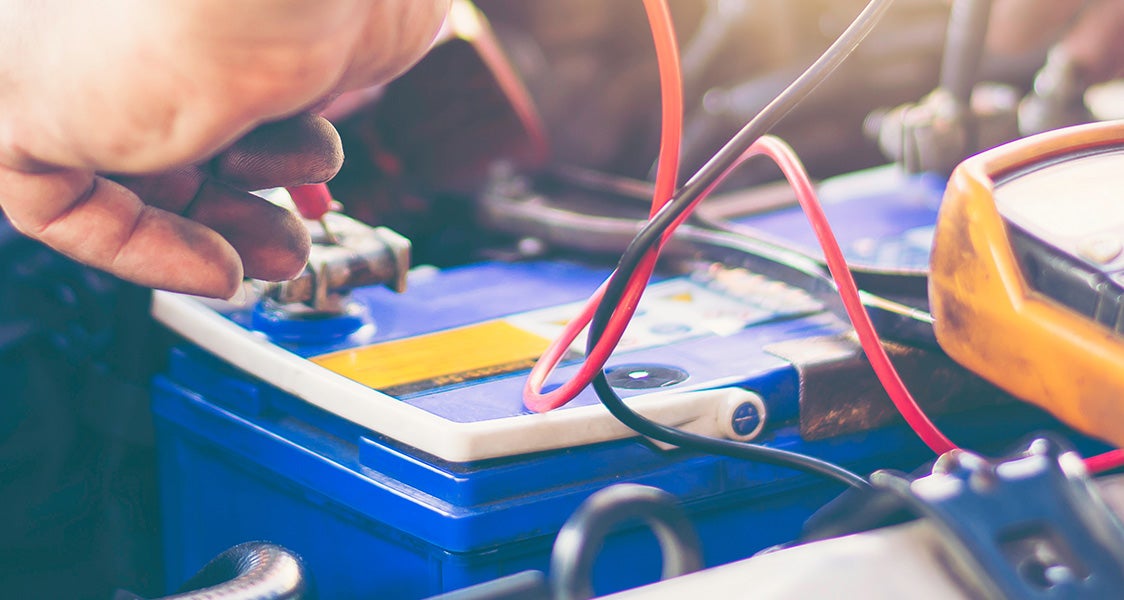
A slow start can make you wonder whether it is time for a Ford battery replacement. It is a reason to test the battery, but it does not prove the battery has failed. The starting and charging systems work together, and a problem elsewhere can produce similar symptoms. Miami’s heat can contribute to battery wear over time. Still, neither the weather nor the battery’s age tells you how well it performs today. A test provides a better starting point for a service decision. What should you notice before an appointment? Pay attention to whether the engine cranks more slowly than usual, especially after the vehicle has been parked overnight. Tell the service advisor if you have needed a jump-start and whether the problem returned afterward. Intermittent electrical issues are also worth describing. You might notice lights that dim or flicker, accessories that behave unexpectedly, or a low-battery message. Note when the issue happens and whether it appears while driving or only when starting. These details can help a technician decide what to check, but none points to a certain diagnosis by itself. What can a battery test reveal? A battery test can check its state of charge and its ability to supply power for starting. A low charge does not always mean the battery needs replacement. The technician may need to charge and retest it, inspect the connections, or investigate why it is losing charge. A charging-system test checks whether the vehicle is replenishing the battery while the engine runs. If that system is not working correctly, installing a new battery alone may leave you with the same problem. Testing both systems helps separate a weak battery from a charging concern before recommending a repair. When should you act sooner? Arrange a car battery test in Miami if slow starts become frequent or you need repeated jump-starts. If a charging-system warning appears while driving, follow your Ford owner’s manual and have the vehicle checked promptly. That warning calls for more than an assumption that the battery is old. Midway Ford offers battery testing for drivers who are unsure what their vehicle needs. Describe the starting or electrical symptoms you have noticed so the service team can check the battery, its connections, and the charging system as appropriate. Ford battery replacement makes sense when the findings support it—not simply because a certain number of years has passed.

Car Coolant

When Should Your Ford’s Cooling System Be Serviced?

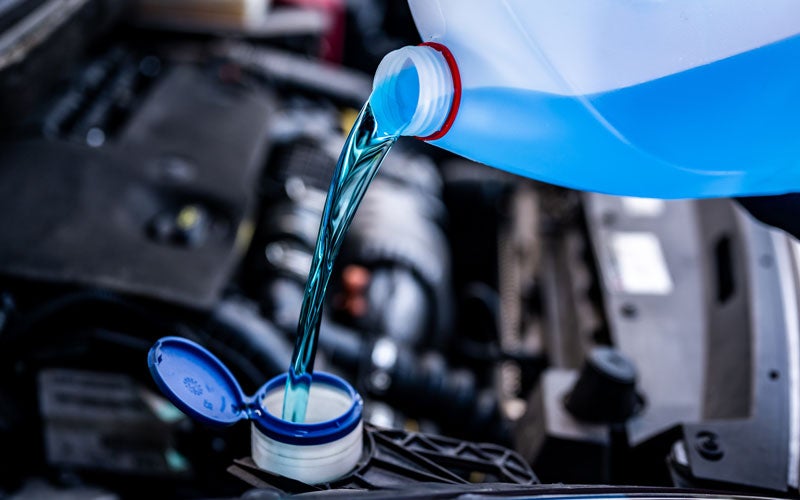
Your Ford’s cooling system helps the engine stay within its intended temperature range. In Miami, it is sensible to pay attention to that system year-round, but warm weather alone does not set a new coolant replacement schedule. The correct interval and coolant specification depend on your vehicle. Check the maintenance schedule in its owner’s manual. What does each part do? Coolant carries heat away from the engine and helps protect cooling-system components. Hoses move that coolant between parts of the system. The radiator releases heat from the coolant, while the thermostat helps control when coolant flows through the radiator. These parts work together. A low coolant level, damaged hose, restricted radiator, or thermostat problem can affect engine temperature, but a symptom by itself will not identify which part needs attention. What should you check between services? When the engine is completely cool, check the coolant level against the markings on the reservoir as directed by your owner’s manual. Look for visible leaks or dried residue near accessible hoses and beneath your usual parking spot. Note any hose that appears swollen or cracked, but do not squeeze or remove parts to investigate. If the level keeps dropping, arrange an inspection rather than repeatedly topping it off. Use only the coolant type specified for your Ford; coolant products are not all interchangeable. Never remove the coolant reservoir cap while the engine or cooling system is hot. Which signs call for an inspection? A temperature warning, an unusually high temperature reading, steam, a visible leak, or a sweet smell near the vehicle can signal a cooling-system concern. Cabin heat that behaves differently than usual may also be worth mentioning. These observations help a technician investigate; they do not confirm that the radiator or thermostat has failed. If your Ford warns that the engine is overheating, safely pull over and follow the instructions in the owner’s manual. Do not continue driving in hopes that the temperature will settle, and do not open a hot cooling system. Arrange assistance if the warning persists or the vehicle cannot be driven safely. When is coolant service due? Use your Ford’s model- and year-specific maintenance schedule for the coolant replacement interval. At a service visit, a technician can check the coolant’s condition and level, inspect accessible hoses and connections, and look for leaks. If you have reported overheating or repeated coolant loss, diagnosis should come before a recommendation to replace parts or simply exchange the coolant. For Ford cooling system service in Miami, tell Midway Ford what you have observed and when it happens. That gives the team a starting point for an inspection and helps distinguish scheduled Ford coolant service from a problem that needs diagnosis.

Ford Service

Does Parking Near the Coast Change How You Care for Your Ford?

Parking near the water does not mean your Ford will develop corrosion. It does make regular cleaning and a quick visual check more useful, especially if ocean spray reaches the vehicle or you drive through salty water on coastal roads. For salt air car maintenance in Miami, focus on what your vehicle is actually exposed to. Wash away visible spray and residue After a day near the beach or a drive through coastal spray, rinse the exterior with fresh water. Pay attention to the lower doors, wheel openings, tailgate or liftgate, and areas where sand collects. For a full wash, use a car shampoo intended for automotive paint rather than a strong household detergent. If spray has reached beneath the vehicle, choose a wash that rinses the underbody as well. You do not need to pressure-wash every component after simply parking near the coast. Follow the cleaning guidance in your Ford owner’s manual, particularly around sensors, cameras, and other sensitive areas. Look closely while you wash A wash is a convenient time to check areas you can see safely. Look for paint chips along the front edge of the hood and lower body, marks around wheel openings, and residue trapped near door or tailgate seams. Clear loose dirt from visible drain openings without forcing a tool inside them. A small paint chip deserves attention because it leaves the surface beneath less protected. Follow your owner’s manual for paint care, and ask a service professional about damage you cannot clean or address with a suitable touch-up product. Surface discoloration on a fastener is different from bubbling paint or substantial flaking, so avoid assuming every mark calls for the same repair. When is an inspection useful? If you notice bubbling paint, persistent rust-colored staining, damaged protective coating, or corrosion around a part beneath the vehicle, have it checked. You can also mention frequent exposure to coastal spray at your next service visit. A technician can inspect areas that are difficult to see from the driveway and explain whether cleaning, a minor repair, or further work is appropriate. Ask Midway Ford about a Ford coastal corrosion inspection if you have a specific concern. Describe where you park, whether the vehicle has been splashed by salt water, and what you have noticed. That gives the service team a useful starting point without assuming the vehicle has a corrosion problem. The routine can stay simple: rinse after direct exposure, wash regularly, and check the paint and lower body as you go. Consistent care helps you notice a change early while keeping coastal driving in perspective.

Ford Maverick

How Much Can a Ford Maverick Tow? Real Examples for Miami Drivers

The Ford Maverick delivers impressive utility in a compact frame. If you want a truck that navigates city streets effortlessly while still hauling heavy loads, this vehicle deserves your attention. For buyers in Miami, FL, Miami Ford offers the exact guidance you need to choose the right configuration. Reach out to our dealership today to discover your options. What Is the Ford Maverick's Towing Capacity? The Ford Maverick towing capacity reaches a maximum of 4,000 pounds when properly equipped. For the 2026 model year, you can achieve this rating with either the turbocharged 2.0L EcoBoost engine or the hybrid powertrain by selecting the 4K Tow Package. Without the upgraded package, the truck provides a standard towing capacity of 2,000 pounds. You can confidently choose the powertrain that best fits your daily driving needs without sacrificing utility. Real-World Towing Scenarios What does that capacity look like in practical terms? A small fishing boat or jet ski weighs between 1,500 and 3,000 pounds with a trailer. The Maverick tows that equipment easily. If you pull a landscaping trailer, expect a weight between 2,000 and 3,500 pounds, which also falls comfortably within the truck's maximum rating. Even a pop-up camper for weekend getaways stays well within the 4,000-pound limit. How the Maverick Compares to Larger Trucks The Maverick will not match the extreme hauling limits of a full-size truck. However, the compact footprint offers a distinct advantage for urban driving. Navigating tight streets and crowded parking lots becomes simple. This truck perfectly balances daily driving efficiency with practical weekend capability, giving you the best of both worlds. Tips for Maximizing Your Towing Ability You need the available 4K Tow Package to unlock the maximum towing capacity. This upgrade adds a trailer hitch receiver, a trailer brake controller, and an upgraded cooling system. Always ensure your load is properly distributed and secured before driving. Furthermore, standard tech features like Apple CarPlay© and Android Auto© keep you connected, while available driver-assist systems help you remain confident on the highway. Find Your Ford Maverick Today The 2026 MotorTrend Truck of the Year provides the ideal mix of efficiency, value, and strength. If you want a capable pickup without the bulk of a heavy-duty model, this vehicle checks every box. Visit Miami Ford in Miami, FL, to browse our current inventory and test drive your new truck.

Ford brake inspection

Squealing, Grinding, or Shaking? Here's What Your Ford Brakes Are Telling You in Miami

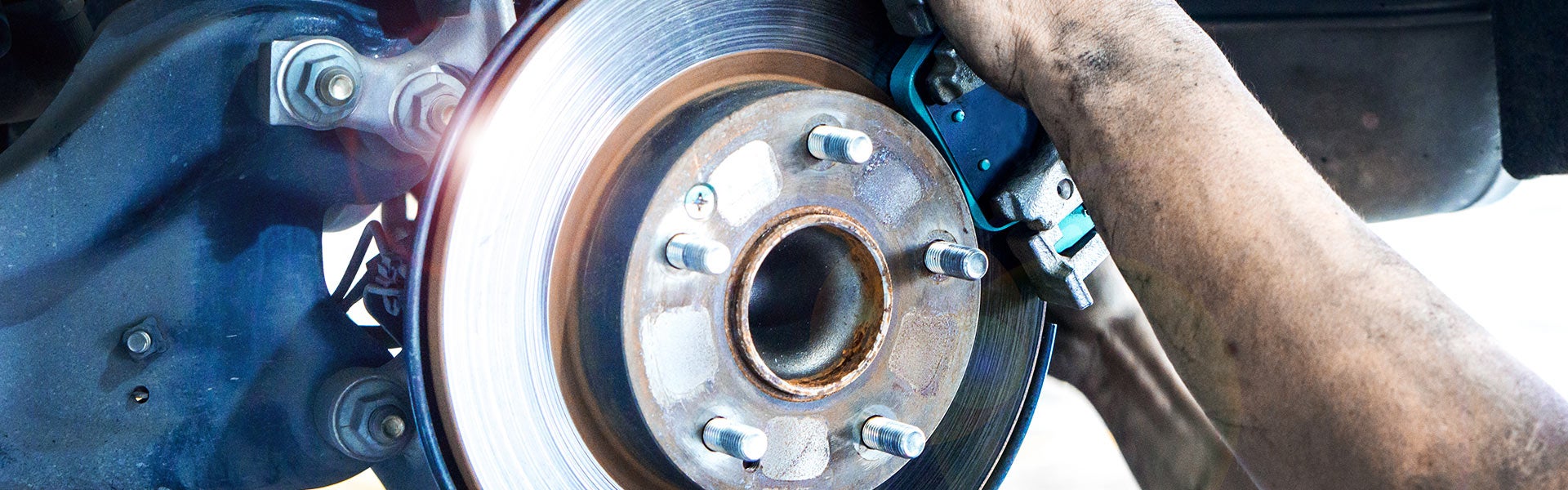
Brake noise is one of the clearest signals that a component is wearing or no longer performing as intended. If you've noticed squealing, grinding, or vibration while driving around Miami, it's time to pay attention before a small repair grows into a larger one. Brake systems are designed to provide consistent, confident stopping power. As brake pads, rotors, and hardware wear over time, those components begin communicating through sound and feel. If it's time for routine maintenance, explore our Ford service center or schedule a service appointment online for a professional inspection. A High-Pitched Squeal Is Often the First Warning One of the most common brake sounds is a sharp squeal during light braking. In many Ford vehicles, this comes from a built-in wear indicator attached to the brake pad. As the friction material becomes thin, the indicator contacts the rotor and creates a noticeable sound to let you know replacement time is approaching. Responding early can help protect the brake rotors and keep the repair straightforward. Waiting too long allows the remaining pad material to wear away, increasing the chance of additional component replacement. Grinding Means Your Brakes Need Immediate Attention Grinding usually signals that the brake pads have worn beyond their usable material, allowing metal components to contact the rotor. This creates excessive friction that can quickly damage the braking surface and reduce stopping performance. In some situations, small rocks or road debris can become trapped between the rotor and brake components, producing a grinding sound. A professional inspection can identify the source and determine the appropriate repair before additional damage occurs. Vibration and Pulling Should Never Be Ignored Brake concerns are not limited to unusual sounds. If the steering wheel shakes during braking or the vehicle pulls to one side, the braking system deserves immediate attention. Brake pedal or steering wheel vibration is commonly associated with uneven rotor surfaces created by repeated heating and cooling cycles. Pulling during braking may point to uneven brake pad wear, a sticking caliper, or another component that is preventing balanced braking force across the axle. Correcting these issues early helps preserve tire life, improves vehicle stability, and restores the smooth braking experience Ford engineers intended. Miami Driving Can Be Tough on Brake Components Driving throughout Miami places added demands on your braking system. Frequent traffic lights, stop-and-go congestion, elevated temperatures, and sudden braking all contribute to faster brake wear than many drivers experience in cooler climates. Having your brakes inspected at least once a year, or any time you notice changes in sound, feel, or stopping performance, can help identify wear before it develops into a larger repair. Pairing brake inspections with routine maintenance visits makes it easier to keep your Ford performing at its best. If your vehicle is due for additional maintenance, ask about tire service, wheel alignment, or your next factory-recommended maintenance visit while you're here. Keep Your Ford Stopping with Confidence Addressing brake concerns early can help reduce repair costs, protect important components, and maintain the dependable stopping performance you expect every time you get behind the wheel. If you've noticed changes in the way your Ford brakes feel or sound around Miami, visit Midway Ford for a professional inspection. Our factory-trained technicians can diagnose the issue and help get you back on the road with confidence. Schedule your service appointment online today.

Ford Oil Leak in Miami

Ford Oil Leak in Miami: Spill, Drip, or Something You Shouldn't Ignore?

Finding a dark spot under your Ford isn't always a reason to panic, but it is something worth investigating. A small oil leak can stay manageable for quite a while, while another can quickly lead to low oil levels and expensive engine damage. For drivers around Miami, FL, knowing the difference between a harmless drip and a genuine Ford oil leak can help you to address the problem before it becomes much more costly. Not Every Spot Under Your Ford Is Engine Oil The first step is identifying what you're seeing. Fresh engine oil is usually amber when new and turns dark brown or black as it ages. It has a slick, greasy texture and often appears beneath the engine after your vehicle has been parked for several hours. Location can provide clues as well. A single spot that never returns may simply be leftover oil from a recent oil change. A puddle that grows larger each morning or continues appearing in the same location is a stronger indication that oil is escaping from the engine. It's also important to remember that not every leak is oil. Red fluid commonly points to the transmission, while green, orange, yellow, or pink fluid is often coolant. Clear water dripping beneath your vehicle after using the air conditioner is typically normal condensation. What Causes Oil Leaks on Ford Vehicles? As engines accumulate miles, seals and gaskets naturally wear over time. One of the most common leak sources is the valve cover gasket, which can become brittle after years of exposure to engine heat. Oil pan gaskets, drain plugs, and oil filters can also allow oil to escape if they're damaged or not sealing properly. More significant leaks may originate from the rear main seal. Since this seal sits between the engine and transmission, repairing it requires considerably more labor than replacing a valve cover gasket or oil pan gasket. South Florida's combination of high temperatures and stop-and-go traffic can place additional stress on rubber seals, allowing age-related wear to show up sooner on some vehicles. Checking Your Oil Takes Just a Minute If you suspect a leak, checking your oil level is one of the simplest things you can do before scheduling an oil service in Miami. Park on level ground, allow the engine to cool for a few minutes, then remove the dipstick. Wipe it clean, insert it fully, and pull it back out to verify the level. If the oil falls below the recommended range, avoid putting off service. Continuing to drive with low oil reduces lubrication throughout the engine, increasing wear on critical components. Even if the level appears normal, repeated spots beneath your vehicle deserve professional attention before the leak becomes larger. Signs You Shouldn't Ignore Some oil leaks require immediate attention. If your oil pressure warning light comes on, your engine begins making knocking or ticking noises, or you notice smoke or the smell of burning oil, it's time to stop driving as soon as it's safe to do so. These symptoms often indicate that oil is reaching hot engine or exhaust components or that lubrication has dropped below a safe level. Ignoring those warning signs can lead to extensive engine damage that costs far more than repairing the original leak. Protect Your Engine with Prompt Ford Service Most oil leaks start small, which is exactly why they're easier and less expensive to repair when caught early. Whether the source turns out to be a worn gasket, a loose drain plug, or another component, having the problem diagnosed before oil levels begin dropping significantly helps protect your engine for the long haul. If you've noticed fresh spots in your driveway or your oil level seems to be dropping faster than normal, visit Midway Ford serving Miami, FL. Our factory-trained technicians can identify the source of the leak, recommend the appropriate repair, and help keep your Ford performing the way it was engineered to. Schedule your service appointment online now!

Ford Diesel Service

Ford Diesel Service Miami: What Diesel Truck Owners Should Watch For

If you own a Ford diesel truck, you already know it's built for serious work. But keeping it running at its best requires a different approach than caring for a gas-powered vehicle. Getting Ford diesel service in Miami, Florida means covering a unique set of maintenance needs that, if overlooked, can lead to costly repairs down the road. Here's what every Ford diesel owner should keep on their radar. Why Diesel Truck Maintenance Works Differently Diesel engines operate under higher compression and generate more torque than their gasoline counterparts. That power comes with added responsibility. Diesel truck maintenance isn't just about oil changes and tire rotations—it involves monitoring systems that are specific to how diesel engines function. Understanding those differences helps you stay ahead of problems before they start. Diesel Exhaust Fluid Levels Matter More Than You Think One of the most common oversights among Ford diesel owners is neglecting diesel exhaust fluid, commonly known as DEF. Modern Ford diesel trucks use a selective catalytic reduction system that depends on DEF to reduce emissions. Running low on DEF can trigger warning lights and, if ignored long enough, may limit your truck's performance. Keeping an eye on DEF levels is a simple but essential part of Ford diesel service. Fuel Filters Need More Frequent Attention Diesel fuel systems are sensitive to contamination. Water and debris can build up in the fuel filter faster than most drivers expect, especially with heavier usage patterns. Ford recommends checking and replacing fuel filters on a more frequent schedule than you'd follow for a gas vehicle. Staying on top of this one item can protect your fuel injectors and keep your engine running efficiently. Oil Changes Follow a Different Schedule High-compression diesel engines put more stress on motor oil. That means your oil may degrade faster, particularly if you're towing or hauling regularly. Ford diesel service should include oil changes that follow the manufacturer's recommended interval for your specific engine. Using the correct oil viscosity and specification is just as important as the timing of the change. Don't Ignore the Exhaust and Emissions Systems Ford diesel trucks are equipped with a diesel particulate filter, or DPF, that traps soot from exhaust gases. Over time, that filter needs to regenerate—a process the truck typically handles automatically during highway driving. Short trips and stop-and-go traffic common in Miami, Florida can interfere with that process. If warning lights related to your exhaust system appear, addressing them promptly is critical to avoiding damage. Watch for Signs Your Glow Plugs Need Replacing Unlike gas engines, diesel engines rely on glow plugs to generate the heat needed for cold starts. While Miami's warm climate reduces strain on glow plugs compared to colder regions, they can still wear out over time. Hard starts or rough idling can signal it's time to have them inspected as part of your diesel truck maintenance routine. Visit a Ford-Trained Service Team Ford diesel trucks like the Super Duty lineup are engineered to demanding standards. Getting the most out of your truck means working with technicians who understand those systems. When you're due for Ford diesel service in Miami, choosing a service team with Ford-specific training makes a real difference in the quality and accuracy of the work performed. Different But Not Harder Diesel truck maintenance isn't complicated once you know what to watch for. From DEF levels and fuel filters to DPF health and oil changes, staying proactive keeps your Ford diesel truck performing the way it was designed to. If you're in Miami, Florida and ready to schedule your next service appointment, visit Midway Ford at midwaymiami.com to connect with a team that knows Ford diesel vehicles inside and out.

Ford Explorer

The Ford Explorer ST and ST-Line

The Ford Explorer has long been a go-to choice for families and adventure-seekers alike, but the ST and ST-Line trims take things to a different level. If you've been shopping for a Ford Explorer in Miami, these two models bring a sportier personality to the classic three-row SUV formula without sacrificing practicality. So, if you're commuting through South Florida traffic or loading up for a weekend getaway, understanding what separates these trims can help you make a smarter buying decision. What Makes the ST-Line Stand Out The Ford Explorer ST-Line is designed for drivers who want a more athletic look without necessarily stepping into full performance territory. This 7-seat SUV has a mx towing capacity of 5,000 lbs and a 300 hp 2.3L Ecoboost I-4 engine. It also features a sport-tuned suspension, unique exterior styling cues, and a blacked-out appearance package that sets it apart from base trims. Inside, you'll find sport-contoured front seats, a flat-bottom steering wheel, and ST-Line-exclusive interior accents. What the ST Brings to the Table The Explorer ST goes further by pairing aggressive styling with performance. Under the hood, it's powered by a 3.0-L EcoBoost engine producing 385 hp and 415 lb-ft of torque, and it also has a max towing capacity of 5,000 lbs. The ST also includes performance-tuned adaptive suspension, Brembo® front brakes, and sport-tuned exhaust. It looks serious and drives that way too. Technology and Comfort Across Both Trims Both the ST and ST-Line come well-equipped with Ford's latest tech features. The available Ford Co-Pilot360® Technology suite adds driver-assist features designed to keep you confident behind the wheel. An available Wi-Fi hotspot keeps passengers connected on longer trips. The cabin in both trims prioritizes comfort across all three rows, with storage solutions and user-friendly controls. The available 13.2-in touchscreen brings a modern, intuitive feel to the interior. Which Explorer Trim Is Right for You? Choosing between the ST and ST-Line really comes down to how you plan to use the vehicle. If bold styling and everyday versatility are your priorities, the ST-Line is a strong fit. If you want maximum performance wrapped in a Ford three-row SUV package, the ST is worth the step up. Both trims are available now, and Ford's current Summer Sales Event means there are competitive lease offers on the 2026 Explorer worth exploring. Take new retail delivery from an authorized Ford Dealer's stock by Aug. 31, 2026. Explore the Ford Explorer in Miami The Explorer ST and ST-Line prove that a practical three-row SUV doesn't have to feel ordinary. With sharp styling, smart technology, and two distinct personalities to choose from, the Ford Explorer remains one of the most well-rounded options in the segment.  If you're ready to see these trims in person, drivers throughout Miami, FL, can visit Midway Ford to explore the inventory, explore current offers, and find the Explorer that fits your lifestyle.

Ford Tire Service Miami

Ford Tire Service in Miami: The Tire Wear You Don't See Could Be Costing You More Than You Think

Most drivers check their tires only when something feels noticeably wrong - a vibration, a pull to one side, or a visible flat. But the reality is that tire wear often happens gradually and in places that are easy to miss. By the time you notice a problem, you may already be dealing with reduced fuel efficiency, compromised handling, or the need for a full set of replacements. Staying ahead of it with professional Ford tire service is a smart way to protect your investment. What Uneven Tire Wear Is Actually Telling You Uneven tire wear is one of the most telling signs that something is off with your vehicle - and it rarely means just the tires need replacing. Wear patterns on the edges can indicate improper inflation. Wear in the center of the tread often points to overinflation. Cupping or scalloping across the surface can signal suspension issues. Each pattern tells a different story and understanding what you're looking at matters. Ignoring uneven tire wear doesn't just shorten the life of your tires - it can quietly affect your alignment, your ride quality, and ultimately your safety. How Ford Tire Service Keeps Problems From Getting Bigger Routine Ford tire service goes well beyond swapping out old rubber. It typically includes pressure checks, tread depth inspection, rotation, and a broader look at alignment and suspension components that influence how your tires wear over time. When these services are performed on a consistent schedule, small issues get caught before they compound. A tire that's losing pressure gradually or showing early signs of uneven tire wear can be addressed quickly - rather than becoming a safety concern or a much larger repair bill down the road. The Real Cost of Skipping Regular Tire Maintenance It's easy to deprioritize tire service when your vehicle seems to be driving fine. But that approach tends to cost more in the long run. Tires that are underinflated or out of balance can reduce fuel efficiency, meaning you're spending more at the pump without realizing why. Misaligned wheels accelerate tread wear and can put unnecessary stress on steering and suspension components. What starts as a relatively minor adjustment can turn into a repair that costs significantly more if left unattended. What to Expect From a Ford Tire Service Visit When you bring your vehicle in for tire service, a trained technician will evaluate your current tires for tread depth, wear patterns, and overall condition. From there, they can recommend rotation, balancing, or replacement based on what they find - not a one-size-fits-all upsell. Ford-trained service teams are familiar with the specific handling and performance requirements of Ford vehicles, which means your tires are being evaluated in the context of the whole vehicle. Take Care of Your Tires Before They Take Care of Themselves Your tires are the only part of your vehicle that ever touches the road, which means they affect everything from braking distance to fuel economy to ride comfort. Routine tire service and staying alert to signs of uneven tire wear are among the simplest ways to keep your vehicle performing the way it should. Don't wait for a warning light or a blowout to take action. Reach out to the service experts at Midway Ford to schedule a tire inspection and let a professional take a look before a small issue becomes a costly one.

Smiling woman driving car with sunroof.

Master SYNC® 4 Tips for a Seamless Drive

Ford's SYNC® 4 system is revolutionizing the way we interact with our vehicles. SYNC® 4 offers enhanced connectivity, intuitive controls, and integration with your smartphone so you can access all your apps, playlists, and more. Whether you need to make a hands-free call while running errands on the bustling streets of Miami, Florida, or need the perfect soundtrack to cruise along the coast, mastering SYNC® 4 tips will help make the most of your driving experience. From navigation to entertainment, SYNC® 4 ensures that every journey is as smooth as possible. Plus, with regular Ford SYNC® software updates, you can keep your system running at its best, ensuring access to the latest features and improvements. Top SYNC® 4 Tips Every Driver Should Know 1. Personalize Your Home Screen One of the standout features of SYNC® 4 is its customizable home screen. You can arrange widgets to prioritize what matters most to you—be it navigation, music, or phone calls. This feature allows Miami drivers to tailor their interface for quick access to essential functions, making every trip more efficient. 2. Use Voice Commands for Hands-Free Control SYNC® 4's advanced voice recognition system allows you to control various functions without taking your hands off the wheel. Simply say commands like "Find the nearest gas station" or "Play my favorite playlist," and let the system handle the rest. This feature is particularly useful in Miami's busy traffic, where staying focused on the road is crucial. 3. Stay Updated with Ford SYNC® Software Updates Keeping your SYNC®, 4 system updated is key to unlocking its full potential. Ford SYNC® software updates often include new features, bug fixes, and performance enhancements. With over-the-air updates, you can easily download and install the latest version without visiting a dealership. This ensures your system remains compatible with new apps and technologies. How SYNC® 4 Enhances Driving in Miami, FL Miami's unique driving environment demands a system that can adapt to various needs. When you’re heading to the beach and need to suddenly navigate through downtown for an unexpected errand, SYNC® 4 offers tools like real-time traffic updates and weather forecasts to keep you informed. Additionally, most models provide wireless smartphone integration to keep you connected on the move without the clutter of cords. The system's ability to learn your preferences over time makes it an invaluable companion for Miami drivers. From suggesting alternate routes during rush hour to recommending nearby restaurants, SYNC® 4 transforms your vehicle into a smart assistant on wheels. Experience SYNC® 4 at Midway Ford Mastering SYNC® 4 tips can significantly enhance your driving experience in Miami, FL. From customizing your interface to utilizing hands-free voice commands, this system is designed to make every journey safer and more enjoyable. Don't forget to stay updated with Ford SYNC® software updates to ensure optimal performance and access to new features. Visit Midway Ford today and discover how SYNC® 4 can transform the way you drive!

Contact Us

Fill out this form below and we'll contact you shortly
*Required Fields