Blog / Ford Oil Leak in Miami

Ford Oil Leak in Miami: Spill, Drip, or Something You Shouldn't Ignore?

Ford Oil Leak in Miami

Finding a dark spot under your Ford isn't always a reason to panic, but it is something worth investigating. A small oil leak can stay manageable for quite a while, while another can quickly lead to low oil levels and expensive engine damage. For drivers around Miami, FL, knowing the difference between a harmless drip and a genuine Ford oil leak can help you to address the problem before it becomes much more costly. 

Not Every Spot Under Your Ford Is Engine Oil 

The first step is identifying what you're seeing. Fresh engine oil is usually amber when new and turns dark brown or black as it ages. It has a slick, greasy texture and often appears beneath the engine after your vehicle has been parked for several hours. Location can provide clues as well. A single spot that never returns may simply be leftover oil from a recent oil change. A puddle that grows larger each morning or continues appearing in the same location is a stronger indication that oil is escaping from the engine. It's also important to remember that not every leak is oil. Red fluid commonly points to the transmission, while green, orange, yellow, or pink fluid is often coolant. Clear water dripping beneath your vehicle after using the air conditioner is typically normal condensation. 

What Causes Oil Leaks on Ford Vehicles? 

As engines accumulate miles, seals and gaskets naturally wear over time. One of the most common leak sources is the valve cover gasket, which can become brittle after years of exposure to engine heat. Oil pan gaskets, drain plugs, and oil filters can also allow oil to escape if they're damaged or not sealing properly. More significant leaks may originate from the rear main seal. Since this seal sits between the engine and transmission, repairing it requires considerably more labor than replacing a valve cover gasket or oil pan gasket. South Florida's combination of high temperatures and stop-and-go traffic can place additional stress on rubber seals, allowing age-related wear to show up sooner on some vehicles. 

Checking Your Oil Takes Just a Minute 

If you suspect a leak, checking your oil level is one of the simplest things you can do before scheduling an oil service in Miami. Park on level ground, allow the engine to cool for a few minutes, then remove the dipstick. Wipe it clean, insert it fully, and pull it back out to verify the level. If the oil falls below the recommended range, avoid putting off service. Continuing to drive with low oil reduces lubrication throughout the engine, increasing wear on critical components. Even if the level appears normal, repeated spots beneath your vehicle deserve professional attention before the leak becomes larger. 

Signs You Shouldn't Ignore 

Some oil leaks require immediate attention. If your oil pressure warning light comes on, your engine begins making knocking or ticking noises, or you notice smoke or the smell of burning oil, it's time to stop driving as soon as it's safe to do so. These symptoms often indicate that oil is reaching hot engine or exhaust components or that lubrication has dropped below a safe level. Ignoring those warning signs can lead to extensive engine damage that costs far more than repairing the original leak. 

Protect Your Engine with Prompt Ford Service 

Most oil leaks start small, which is exactly why they're easier and less expensive to repair when caught early. Whether the source turns out to be a worn gasket, a loose drain plug, or another component, having the problem diagnosed before oil levels begin dropping significantly helps protect your engine for the long haul. 

If you've noticed fresh spots in your driveway or your oil level seems to be dropping faster than normal, visit Midway Ford serving Miami, FL. Our factory-trained technicians can identify the source of the leak, recommend the appropriate repair, and help keep your Ford performing the way it was engineered to. Schedule your service appointment online now! 

Posted in:

Related Posts

Ford Battery Testing

Does Your Ford Need a New Battery or Just a Test?

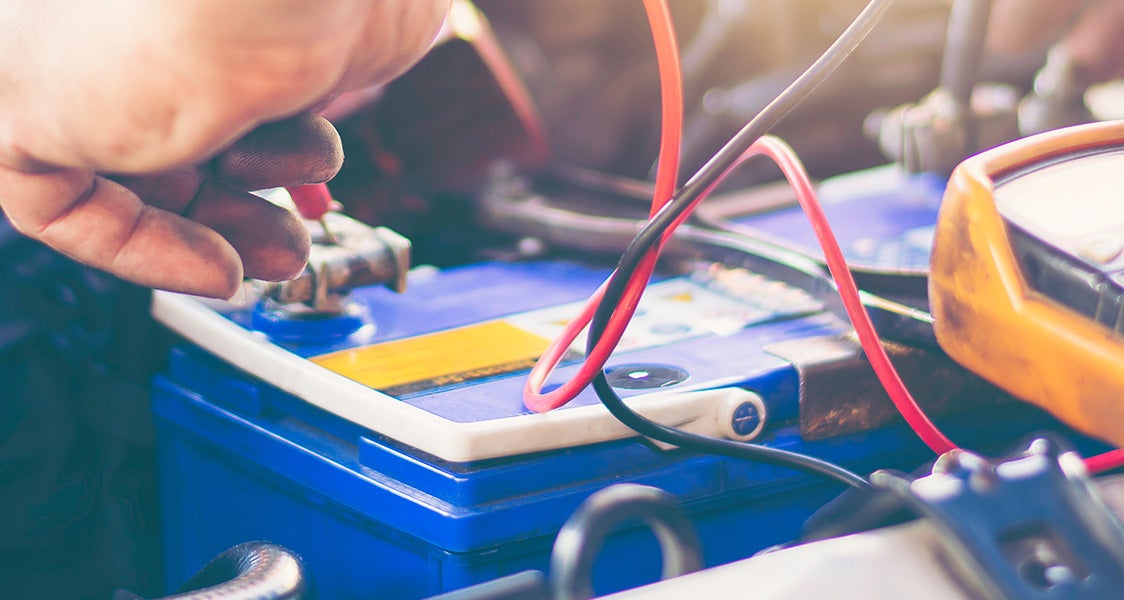
A slow start can make you wonder whether it is time for a Ford battery replacement. It is a reason to test the battery, but it does not prove the battery has failed. The starting and charging systems work together, and a problem elsewhere can produce similar symptoms. Miami’s heat can contribute to battery wear over time. Still, neither the weather nor the battery’s age tells you how well it performs today. A test provides a better starting point for a service decision. What should you notice before an appointment? Pay attention to whether the engine cranks more slowly than usual, especially after the vehicle has been parked overnight. Tell the service advisor if you have needed a jump-start and whether the problem returned afterward. Intermittent electrical issues are also worth describing. You might notice lights that dim or flicker, accessories that behave unexpectedly, or a low-battery message. Note when the issue happens and whether it appears while driving or only when starting. These details can help a technician decide what to check, but none points to a certain diagnosis by itself. What can a battery test reveal? A battery test can check its state of charge and its ability to supply power for starting. A low charge does not always mean the battery needs replacement. The technician may need to charge and retest it, inspect the connections, or investigate why it is losing charge. A charging-system test checks whether the vehicle is replenishing the battery while the engine runs. If that system is not working correctly, installing a new battery alone may leave you with the same problem. Testing both systems helps separate a weak battery from a charging concern before recommending a repair. When should you act sooner? Arrange a car battery test in Miami if slow starts become frequent or you need repeated jump-starts. If a charging-system warning appears while driving, follow your Ford owner’s manual and have the vehicle checked promptly. That warning calls for more than an assumption that the battery is old. Midway Ford offers battery testing for drivers who are unsure what their vehicle needs. Describe the starting or electrical symptoms you have noticed so the service team can check the battery, its connections, and the charging system as appropriate. Ford battery replacement makes sense when the findings support it—not simply because a certain number of years has passed.

Car Coolant

When Should Your Ford’s Cooling System Be Serviced?

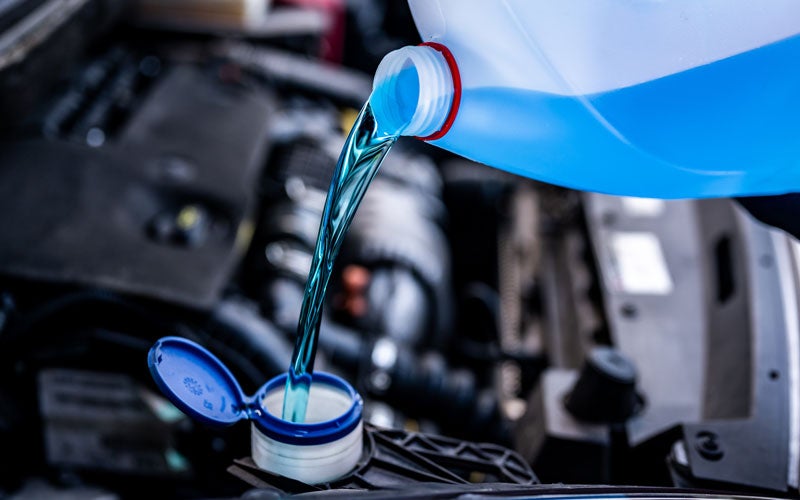
Your Ford’s cooling system helps the engine stay within its intended temperature range. In Miami, it is sensible to pay attention to that system year-round, but warm weather alone does not set a new coolant replacement schedule. The correct interval and coolant specification depend on your vehicle. Check the maintenance schedule in its owner’s manual. What does each part do? Coolant carries heat away from the engine and helps protect cooling-system components. Hoses move that coolant between parts of the system. The radiator releases heat from the coolant, while the thermostat helps control when coolant flows through the radiator. These parts work together. A low coolant level, damaged hose, restricted radiator, or thermostat problem can affect engine temperature, but a symptom by itself will not identify which part needs attention. What should you check between services? When the engine is completely cool, check the coolant level against the markings on the reservoir as directed by your owner’s manual. Look for visible leaks or dried residue near accessible hoses and beneath your usual parking spot. Note any hose that appears swollen or cracked, but do not squeeze or remove parts to investigate. If the level keeps dropping, arrange an inspection rather than repeatedly topping it off. Use only the coolant type specified for your Ford; coolant products are not all interchangeable. Never remove the coolant reservoir cap while the engine or cooling system is hot. Which signs call for an inspection? A temperature warning, an unusually high temperature reading, steam, a visible leak, or a sweet smell near the vehicle can signal a cooling-system concern. Cabin heat that behaves differently than usual may also be worth mentioning. These observations help a technician investigate; they do not confirm that the radiator or thermostat has failed. If your Ford warns that the engine is overheating, safely pull over and follow the instructions in the owner’s manual. Do not continue driving in hopes that the temperature will settle, and do not open a hot cooling system. Arrange assistance if the warning persists or the vehicle cannot be driven safely. When is coolant service due? Use your Ford’s model- and year-specific maintenance schedule for the coolant replacement interval. At a service visit, a technician can check the coolant’s condition and level, inspect accessible hoses and connections, and look for leaks. If you have reported overheating or repeated coolant loss, diagnosis should come before a recommendation to replace parts or simply exchange the coolant. For Ford cooling system service in Miami, tell Midway Ford what you have observed and when it happens. That gives the team a starting point for an inspection and helps distinguish scheduled Ford coolant service from a problem that needs diagnosis.

Ford Service

Does Parking Near the Coast Change How You Care for Your Ford?

Parking near the water does not mean your Ford will develop corrosion. It does make regular cleaning and a quick visual check more useful, especially if ocean spray reaches the vehicle or you drive through salty water on coastal roads. For salt air car maintenance in Miami, focus on what your vehicle is actually exposed to. Wash away visible spray and residue After a day near the beach or a drive through coastal spray, rinse the exterior with fresh water. Pay attention to the lower doors, wheel openings, tailgate or liftgate, and areas where sand collects. For a full wash, use a car shampoo intended for automotive paint rather than a strong household detergent. If spray has reached beneath the vehicle, choose a wash that rinses the underbody as well. You do not need to pressure-wash every component after simply parking near the coast. Follow the cleaning guidance in your Ford owner’s manual, particularly around sensors, cameras, and other sensitive areas. Look closely while you wash A wash is a convenient time to check areas you can see safely. Look for paint chips along the front edge of the hood and lower body, marks around wheel openings, and residue trapped near door or tailgate seams. Clear loose dirt from visible drain openings without forcing a tool inside them. A small paint chip deserves attention because it leaves the surface beneath less protected. Follow your owner’s manual for paint care, and ask a service professional about damage you cannot clean or address with a suitable touch-up product. Surface discoloration on a fastener is different from bubbling paint or substantial flaking, so avoid assuming every mark calls for the same repair. When is an inspection useful? If you notice bubbling paint, persistent rust-colored staining, damaged protective coating, or corrosion around a part beneath the vehicle, have it checked. You can also mention frequent exposure to coastal spray at your next service visit. A technician can inspect areas that are difficult to see from the driveway and explain whether cleaning, a minor repair, or further work is appropriate. Ask Midway Ford about a Ford coastal corrosion inspection if you have a specific concern. Describe where you park, whether the vehicle has been splashed by salt water, and what you have noticed. That gives the service team a useful starting point without assuming the vehicle has a corrosion problem. The routine can stay simple: rinse after direct exposure, wash regularly, and check the paint and lower body as you go. Consistent care helps you notice a change early while keeping coastal driving in perspective.