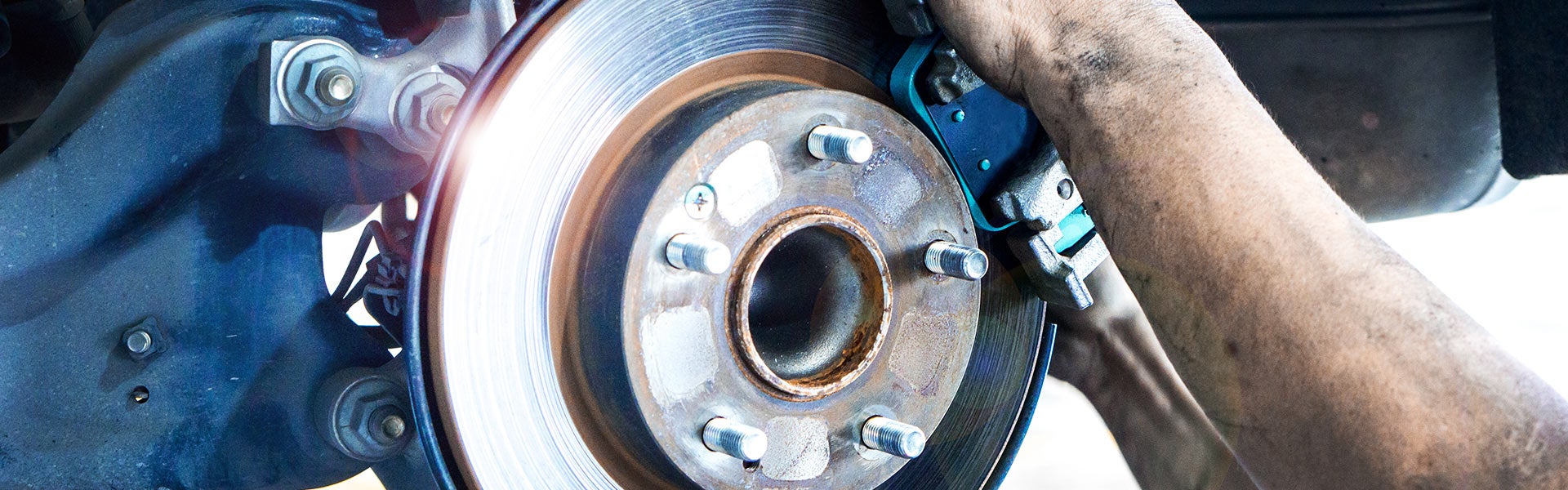
Brake noise is one of the clearest signals that a component is wearing or no longer performing as intended. If you've noticed squealing, grinding, or vibration while driving around Miami, it's time to pay attention before a small repair grows into a larger one. Brake systems are designed to provide consistent, confident stopping power. As brake pads, rotors, and hardware wear over time, those components begin communicating through sound and feel. If it's time for routine maintenance, explore our Ford service center or schedule a service appointment online for a professional inspection.
A High-Pitched Squeal Is Often the First Warning
One of the most common brake sounds is a sharp squeal during light braking. In many Ford vehicles, this comes from a built-in wear indicator attached to the brake pad. As the friction material becomes thin, the indicator contacts the rotor and creates a noticeable sound to let you know replacement time is approaching. Responding early can help protect the brake rotors and keep the repair straightforward. Waiting too long allows the remaining pad material to wear away, increasing the chance of additional component replacement.
Grinding Means Your Brakes Need Immediate Attention
Grinding usually signals that the brake pads have worn beyond their usable material, allowing metal components to contact the rotor. This creates excessive friction that can quickly damage the braking surface and reduce stopping performance. In some situations, small rocks or road debris can become trapped between the rotor and brake components, producing a grinding sound. A professional inspection can identify the source and determine the appropriate repair before additional damage occurs.
Vibration and Pulling Should Never Be Ignored
Brake concerns are not limited to unusual sounds. If the steering wheel shakes during braking or the vehicle pulls to one side, the braking system deserves immediate attention. Brake pedal or steering wheel vibration is commonly associated with uneven rotor surfaces created by repeated heating and cooling cycles. Pulling during braking may point to uneven brake pad wear, a sticking caliper, or another component that is preventing balanced braking force across the axle. Correcting these issues early helps preserve tire life, improves vehicle stability, and restores the smooth braking experience Ford engineers intended.
Miami Driving Can Be Tough on Brake Components
Driving throughout Miami places added demands on your braking system. Frequent traffic lights, stop-and-go congestion, elevated temperatures, and sudden braking all contribute to faster brake wear than many drivers experience in cooler climates. Having your brakes inspected at least once a year, or any time you notice changes in sound, feel, or stopping performance, can help identify wear before it develops into a larger repair. Pairing brake inspections with routine maintenance visits makes it easier to keep your Ford performing at its best. If your vehicle is due for additional maintenance, ask about tire service, wheel alignment, or your next factory-recommended maintenance visit while you're here.
Keep Your Ford Stopping with Confidence
Addressing brake concerns early can help reduce repair costs, protect important components, and maintain the dependable stopping performance you expect every time you get behind the wheel. If you've noticed changes in the way your Ford brakes feel or sound around Miami, visit Midway Ford for a professional inspection. Our factory-trained technicians can diagnose the issue and help get you back on the road with confidence. Schedule your service appointment online today.