

If you are comparing a Ford EV or Hybrid in Miami, you are probably asking a practical question: should you go fully electric, choose a hybrid, or look for something in between?
That is a smart way to shop. Electric vehicles, hybrids, and plug-in hybrids all use electrified technology, but they do not fit every driver the same way. Your daily mileage, home charging access, fuel costs, road-trip habits, and comfort with new technology can all affect the right choice.
Midway Ford of Miami can help you compare Ford hybrid vs electric options so you can choose a vehicle that fits your lifestyle, not just the latest trend.
What Is the Difference Between a Ford EV, Hybrid, and Plug-In Hybrid?
The easiest way to compare electrified vehicles is to look at how they use gas and electricity.
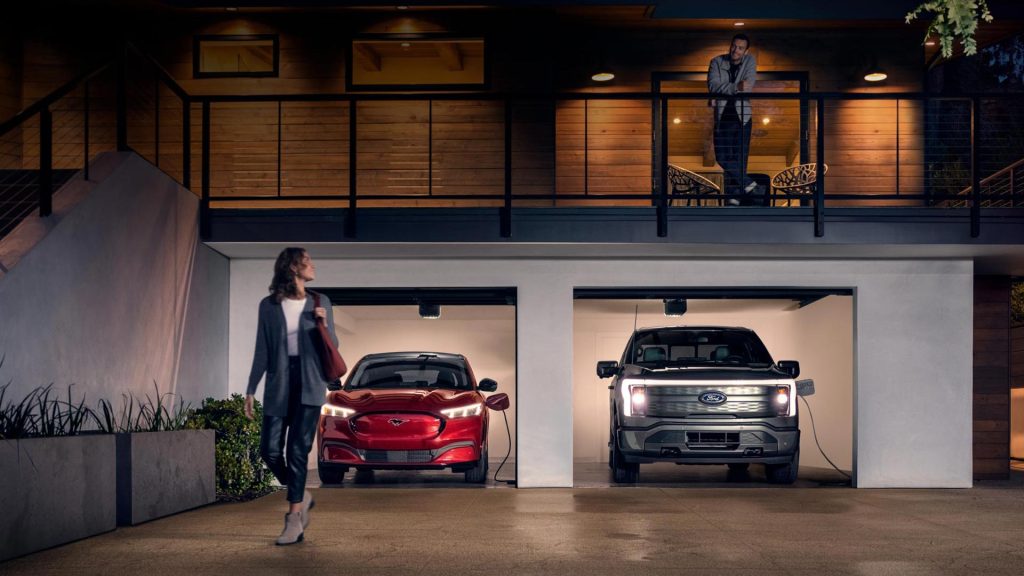
A fully electric vehicle, or EV, runs on battery power instead of gasoline. You charge it at home, at work, or at a public charging station. Ford EVs such as the Mustang Mach-E and F-150 Lightning can appeal to drivers who want to reduce gas stops and enjoy smooth electric power.
A hybrid uses both a gas engine and an electric motor. You do not plug it in. The vehicle manages the gas and electric power automatically, which can help improve efficiency in many driving situations.
A plug-in hybrid sits between a traditional hybrid and a full EV. It has a gas engine, an electric motor, and a battery that can be plugged in. Availability can vary by model year and market, but the idea is simple. A plug-in hybrid can allow some electric driving while keeping a gas engine for longer trips.
When a Ford EV May Be the Right Fit
A Ford EV may make sense if your driving routine is predictable and you have a reliable way to charge. Many Miami drivers use their vehicles for commuting, errands, school pickup, and regular trips around South Florida. If most of your driving happens close to home, an EV can be a strong fit.
The Mustang Mach-E is a good example for shoppers who want an electric SUV with modern style and everyday usefulness. The F-150 Lightning may appeal to truck shoppers who want electric power in a full-size pickup.
An EV may work well if you:
- Drive a predictable number of miles each day
- Can charge at home or near work
- Want to reduce gas station stops
- Like quick electric acceleration
- Do not tow heavy loads over long distances often
That last point matters. EV range can change based on speed, weather, payload, towing, and driving habits. Before choosing an EV, think about how you drive on normal days and on your longest days.
Home Charging Can Make EV Ownership Easier
Home charging is one of the biggest factors in deciding whether an EV is right for you. If you can plug in at home overnight, daily driving can feel much simpler. You may start many mornings with a charged battery and avoid routine gas stops.
If you live in an apartment, condo, or rental home, charging may take more planning. Public charging can help, but it may not feel as convenient as charging at home.
This does not mean apartment drivers should avoid EVs. It means they should think through charging access first. Look at where you park, where you work, and whether public chargers fit your weekly routine.
When a Ford Hybrid May Be the Better Choice
A Ford hybrid can be a strong option if you want better fuel-conscious driving without changing your routine much. Hybrids do not require home charging, and they can be easy to live with for drivers who are not ready to go fully electric.
The Maverick Hybrid may make sense for shoppers who want truck utility in a compact size. The F-150 Hybrid can appeal to drivers who want full-size truck strength with hybrid technology. These models give shoppers a way to consider electrification without relying on charging.
A hybrid may fit better if you drive long distances often, park where charging is not convenient, or want a familiar gas-powered backup. It can also make sense if you regularly take spontaneous road trips and do not want to plan charging stops.
How Plug-In Hybrids Fit Into the Conversation
Plug-in hybrids can be a useful middle ground when available. They can allow electric driving for shorter trips while still offering a gas engine for longer drives.
That setup can appeal to drivers who like the idea of electric driving but are not ready for a full EV. It can also help drivers who have home charging but still want gas flexibility for road trips.
The main thing to remember is that plug-in hybrids work best when you actually plug them in. If you never charge the battery, you may not get the full benefit. If you can charge regularly, a plug-in hybrid can offer more flexibility than a traditional hybrid.
Think About Daily Mileage First
Your daily mileage should be one of the first things you consider. Many drivers overestimate how much range they need. Others forget about longer trips, family visits, or weekend travel.
Start with your normal week. Add up your commute, errands, school runs, work stops, and regular weekend driving. Then think about your less common trips.
Questions to Ask About Mileage
- How many miles do I drive on a normal weekday?
- How often do I drive across South Florida?
- Do I take frequent road trips?
- Can I charge at home, work, or nearby?
- Do I tow or haul heavy loads?
- Do I want fewer gas stops, or do I want maximum flexibility?
Your answers can point you toward an EV, hybrid, or plug-in hybrid.
Road Trips and Long-Distance Driving
Road trips do not automatically rule out an EV. They do require more planning.
If you regularly drive from Miami to other parts of Florida, charging access and trip timing matter. You should think about where you would stop, how long you are comfortable waiting, and whether your passengers are flexible with charging breaks.
A hybrid may be easier if long-distance driving is a major part of your life. You can fuel up quickly and keep going while still getting the benefits of hybrid technology during everyday driving.
For many shoppers, this is where the Ford hybrid vs electric decision becomes clear. EVs can be great for daily driving. Hybrids may feel easier for frequent long-distance travel.
Fuel Savings and Ownership Costs
Fuel savings are one reason many drivers look at electrified vehicles. EVs avoid gasoline, while hybrids can help reduce fuel use depending on driving habits.
Still, fuel is only one part of the cost conversation. You should also consider purchase price, available incentives, insurance, home charging setup, maintenance, tires, and how long you plan to keep the vehicle.
EVs may have fewer traditional maintenance items than gas vehicles. For example, they do not need oil changes. However, they still need tires, brakes, cabin filters, software updates, battery system checks, and routine inspections.
Hybrids still use a gas engine, so they need many traditional maintenance services. They can still be a practical option for drivers who want familiar ownership with improved efficiency.
Which Ford Electrified Vehicle Fits Your Lifestyle?
Ford’s electrified lineup gives shoppers several ways to match technology with daily needs. You do not have to choose a model only because it is electric or hybrid. Choose it because it fits your life.
The Mustang Mach-E may fit drivers who want an electric SUV with style, range options, and a smooth daily driving experience. It can be a good match for commuters, families, and drivers who want to move away from gas.
The F-150 Lightning may appeal to shoppers who want an electric truck for work, home projects, or everyday driving. It can also make sense for drivers who like the idea of electric power in a familiar Ford truck shape.
The Maverick Hybrid can work well for drivers who want a smaller truck with useful bed space and fuel-conscious driving. It may fit city driving, errands, light projects, and daily commuting.
The F-150 Hybrid can be a smart option for drivers who need full-size truck capability but still want hybrid technology. It may fit towing, hauling, jobsite use, and family needs better than a smaller vehicle.
Ford also offers electric commercial options, such as E-Transit, for business owners who want to think about fleet use, delivery routes, and operating costs.
When an EV May Not Be the Best Fit Yet
An EV can be a great choice, but it is not the right answer for everyone. If charging access is limited, your schedule is unpredictable, or your driving includes frequent long-distance trips, a hybrid may be easier to live with.
Towing can also affect the decision. Electric trucks can tow, but towing can reduce range. If you tow often or cover long distances with a trailer, compare your real use case carefully.
A hybrid may be the better step if you want better fuel-conscious driving without changing how you plan your day.
The Simple Way to Decide
The best choice depends on your routine.
Choose a Ford EV if you can charge easily, drive predictable miles, and want to move away from gas. Choose a Ford hybrid if you want improved efficiency without needing to plug in. Consider a plug-in hybrid when available if you want some electric driving with gas flexibility.
None of these choices is automatically better than the others. The right one depends on how you drive, where you park, how often you travel, and what kind of vehicle you need.
Compare Ford EV and Hybrid Options Near Miami
If you are considering a Ford EV or Hybrid in Miami, Midway Ford of Miami can help you compare your options. Our team can walk you through electric SUVs, hybrid trucks, available inventory, charging questions, financing, and test drives.
Midway Ford serves Fontainbleu, West Chester, Homestead, Hialeah, and the Hammocks for drivers considering whether a Ford EV or hybrid is right for their lifestyle. Browse available Ford electrified vehicles online, then visit Midway Ford of Miami to compare models in person.
Connect with us


