Blog / Miami Ford Dealer

Ford Maverick vs. Hyundai Santa Cruz: Which Small Truck Fits Your Week?

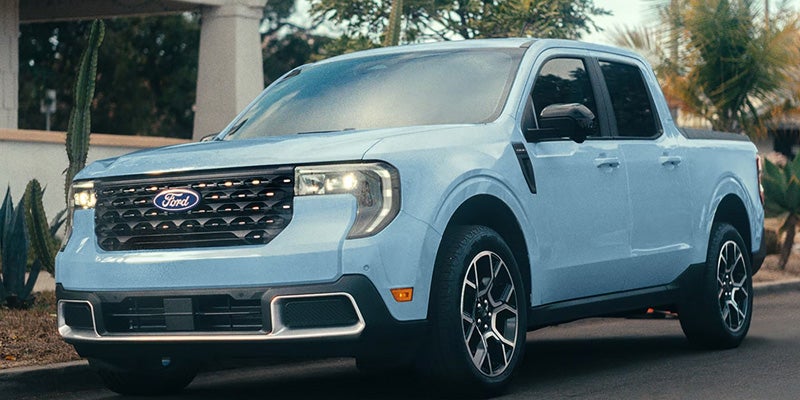
Ford Maverick Miami, FL
A compact pickup makes sense when you need an open bed but still spend most of the week commuting, parking, and carrying passengers. The Ford Maverick and Hyundai Santa Cruz both fit that description. The useful question is what you will put in the bed, who will ride in back, and where the truck has to park on an ordinary Tuesday.

Which powertrain suits your driving?

The 2026 Maverick comes with a standard hybrid powertrain and offers a 2.0-liter EcoBoost gas engine on select trims. The hybrid is a practical starting point if much of your week involves Miami traffic. All-wheel drive is also available with the hybrid on eligible models, so choosing it does not automatically mean giving up that powertrain.
The 2026 Santa Cruz offers a standard 2.5-liter gas engine or an available turbocharged 2.5-liter engine. It does not offer a hybrid. If you prefer the stronger available gas engine, compare the specific trims you would buy and drive them on the same route. If a hybrid is a priority, the Maverick makes that choice straightforward.

What needs to fit in the bed?

The Maverick’s bed measures about 4 feet, 5 inches long. Its FLEXBED system provides ways to organize cargo and secure smaller loads. The Santa Cruz has a shorter bed, but its lockable under-bed compartment gives you a separate place for items you do not want loose in the cab or exposed in the open bed.
Think about the items you carry most: a bicycle, work supplies, garden materials, or weekend gear. Measure the longest one and check where it would sit with the tailgate closed or open. Then try reaching into each bed and using its storage areas. Bed length alone will not tell you which setup is more convenient.

Will the back seat work for your passengers?

Both trucks seat up to five, but that does not mean the rear seats will feel identical to your passengers. Bring along anyone who rides with you regularly. Set the front seats where the driver and front passenger need them, then check rear knee room, headroom, and how easily everyone gets in. If you use a child seat, test its fit in the position you expect to use.

How will each truck handle your parking routine?

The Santa Cruz is slightly shorter overall, while the Maverick is narrower. Those differences may matter in a tight garage or parking space, but they cannot tell you which truck you will find easier to place. During a test drive, try a typical parking spot, check your view when backing out, and see how comfortably you can open the doors afterward.
For a compact truck comparison, start with the Maverick if you want a hybrid or value its longer bed. Give the Santa Cruz a close look if its under-bed storage and available turbocharged engine better match your week. Midway Ford in Miami can help you examine a Maverick’s cabin and bed with your everyday passengers and gear in mind.
Posted in:

Related Posts

Ford Service

Does Parking Near the Coast Change How You Care for Your Ford?

Parking near the water does not mean your Ford will develop corrosion. It does make regular cleaning and a quick visual check more useful, especially if ocean spray reaches the vehicle or you drive through salty water on coastal roads. For salt air car maintenance in Miami, focus on what your vehicle is actually exposed to. Wash away visible spray and residue After a day near the beach or a drive through coastal spray, rinse the exterior with fresh water. Pay attention to the lower doors, wheel openings, tailgate or liftgate, and areas where sand collects. For a full wash, use a car shampoo intended for automotive paint rather than a strong household detergent. If spray has reached beneath the vehicle, choose a wash that rinses the underbody as well. You do not need to pressure-wash every component after simply parking near the coast. Follow the cleaning guidance in your Ford owner’s manual, particularly around sensors, cameras, and other sensitive areas. Look closely while you wash A wash is a convenient time to check areas you can see safely. Look for paint chips along the front edge of the hood and lower body, marks around wheel openings, and residue trapped near door or tailgate seams. Clear loose dirt from visible drain openings without forcing a tool inside them. A small paint chip deserves attention because it leaves the surface beneath less protected. Follow your owner’s manual for paint care, and ask a service professional about damage you cannot clean or address with a suitable touch-up product. Surface discoloration on a fastener is different from bubbling paint or substantial flaking, so avoid assuming every mark calls for the same repair. When is an inspection useful? If you notice bubbling paint, persistent rust-colored staining, damaged protective coating, or corrosion around a part beneath the vehicle, have it checked. You can also mention frequent exposure to coastal spray at your next service visit. A technician can inspect areas that are difficult to see from the driveway and explain whether cleaning, a minor repair, or further work is appropriate. Ask Midway Ford about a Ford coastal corrosion inspection if you have a specific concern. Describe where you park, whether the vehicle has been splashed by salt water, and what you have noticed. That gives the service team a useful starting point without assuming the vehicle has a corrosion problem. The routine can stay simple: rinse after direct exposure, wash regularly, and check the paint and lower body as you go. Consistent care helps you notice a change early while keeping coastal driving in perspective.

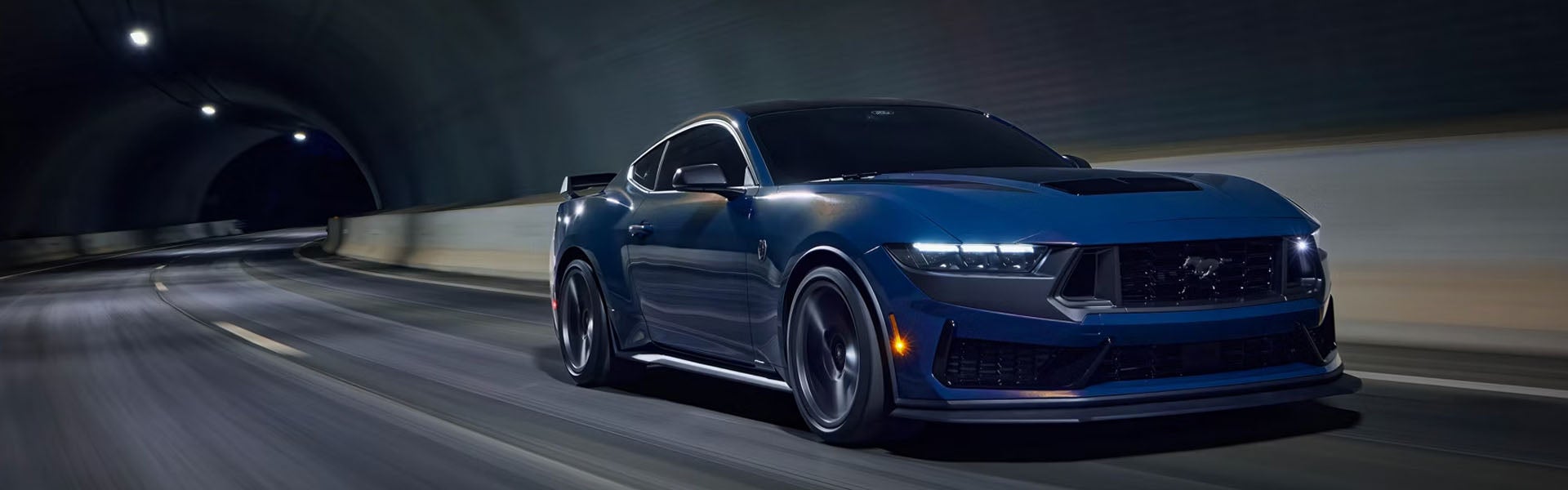
2026 Ford Mustang

Miami to Orlando EV Road Trip: How to Plan the Drive in a Mustang Mach-E

Why the Mustang Mach-E Is Built for This Drive Are you ready to experience the future of road trips? A drive from Miami to Orlando is a popular Florida route, and the 2026 Ford Mustang Mach-E is the perfect vehicle for the journey. Drivers from Miami, FL, can visit Midway Ford to explore this impressive EV and see why it is changing the way we travel. It earned the No. 1 Ownership Experience among mainstream EVs in 2026 from J.D. Power©. This proves how actual drivers feel about living with this vehicle daily, rather than just taking it for a quick test spin. The route north on Florida's Turnpike or I-95 is familiar territory. Driving an electric vehicle simply changes how you plan the trip before leaving the driveway. Mapping Your Mustang Mach-E Charging Stops Planning your charging stops is essential for any EV road trip. The roughly 240-mile drive is well within the capabilities of the Mustang Mach-E, which offers an EPA-estimated range of up to 320 miles on select models. Building in one planned stop gives you a comfortable buffer and removes range anxiety completely. The connected navigation system, along with Apple CarPlay© and Android Auto©, helps you locate charging stations along your route in real time. Charging infrastructure along the Florida Turnpike has grown significantly, with stations available near Fort Pierce, Yeehaw Junction, and Kissimmee. This makes it easy to recharge and arrive in Orlando refreshed. Aim for a charger around the midpoint of your drive. A 20 to 30 minute stop pairs well with a coffee break and brings your battery to a comfortable level for the rest of the trip. What to Prepare Before You Leave Miami A successful EV road trip starts at home. Plug in overnight before your departure to begin the drive with a full charge. The Mach-E supports both Level 2 home charging and DC fast charging, giving you flexibility at home or on the road. Download the FordPass© app before you go. It allows you to monitor your charge level remotely, pre-condition the cabin while plugged in, and easily locate nearby charging stations. Pre-conditioning the battery and interior on home power is a small habit that makes a meaningful difference in real-world range. Traveling with a light load and using one-pedal driving also helps maximize highway efficiency. Making the Most of the Drive The Mach-E is an incredibly comfortable highway cruiser. Available Ford Co-Pilot360© Technology helps reduce fatigue on long stretches, and the spacious interior makes the drive feel relaxed. Regenerative braking adds range incrementally every time you ease off the accelerator, which truly adds up over a 240-mile trip. The drive to Orlando is a great opportunity to experience how EV charging fits naturally into a travel day. Most drivers find that one well-timed stop is all it takes. Ready for Your Next Journey Planning a Miami to Orlando EV road trip in a 2026 Ford Mustang Mach-E is simple. With a single mid-route charging stop, the FordPass© app, and a full charge from home, drivers can make the drive confidently. Contact Midway Ford in Miami, F L, today or visit midwaymiami.com to explore our available Mustang Mach-E inventory and learn more about what this award-winning EV can do for your next adventure.

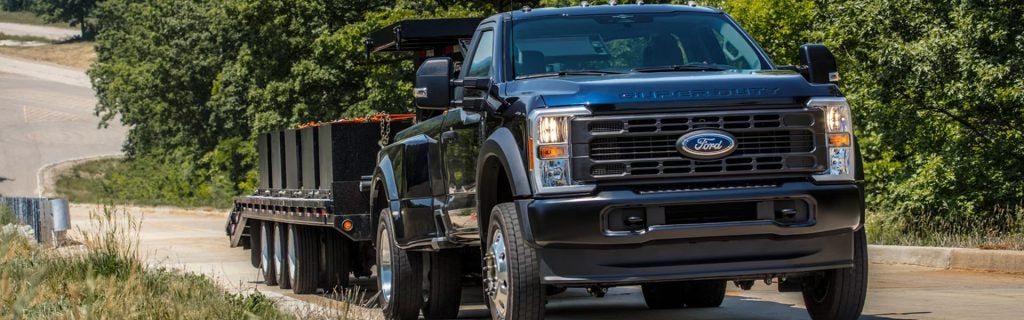
Ford Super Duty for jobsite work in South Florida

Do You Need a Ford Super Duty, or Is an F-150 Enough?

Truck shoppers often ask the same question: do I really need a Ford Super Duty, or will an F-150 handle the job? It is a smart question. A Ford heavy duty truck can deliver serious strength for towing, payload, commercial work, and demanding jobsite needs. Still, more truck is not always the better choice. For many Miami drivers, an F-150 may offer the right mix of capability, comfort, size, and everyday usefulness. If you are comparing a Ford Super Duty in Miami, this guide can help you think through towing needs, payload demands, daily driving, and long-term ownership before you decide. more View New Ford Trucks For Sale in Miami, FL Start With What You Actually Need the Truck to Do The best truck is not always the biggest truck. It is the one that fits your work, trailer, passengers, tools, and daily routine. A Ford F-150 can make sense for many drivers who need a capable full-size pickup. It can handle commuting, weekend projects, moderate towing, family travel, and light jobsite use. It also feels more manageable for everyday driving than a larger heavy-duty truck. A Ford Super Duty is different. It is built for heavier work. If you regularly tow large trailers, carry heavy payloads, or use your truck as part of your business, moving up may make sense. When an F-150 May Be Enough The Ford F-150 is still a serious truck. It offers strong towing and payload ratings when properly equipped, along with a wide range of trims, engines, cab styles, and technology options. For many shoppers, the F-150 is the smarter everyday truck because it balances capability with comfort. It can fit daily commutes, parking lots, school pickup, weekend errands, and home projects without feeling like more truck than you need. An F-150 May Fit If You: Tow moderate trailers, boats, or small campers Use your truck for home projects and weekend work Carry tools or gear without reaching heavy payload needs Want a full-size truck that still works well as a daily driver Need a truck for family use, commuting, and occasional towing If those points sound like your situation, an F-150 may give you plenty of truck without moving into the size, price, and capability level of a Super Duty. When a Ford Super Duty Makes More Sense A Ford Super Duty is worth considering when your truck needs move beyond normal light-duty use. These trucks are built for heavier towing, stronger hauling, jobsite demands, and commercial-style work. Ford highlights serious Super Duty capability, including high towing and payload ratings depending on configuration. That does not mean every driver needs those numbers. It does mean the Super Duty lineup gives you more room when the job gets heavier. If your current truck feels strained, that is a sign to take a closer look. You may notice slower acceleration under load, more braking effort, rear-end squat, or less confidence while towing in traffic or on the highway. Towing Needs Are the Biggest Clue Towing is often the clearest reason to move up from an F-150 to a Super Duty. The question is not just how much your trailer weighs on paper. You also need to think about how often you tow, where you tow, and how your truck feels with a loaded trailer. A driver who tows a small boat around Miami may not need a Super Duty. A driver pulling heavier equipment, a large enclosed trailer, a bigger camper, or a fifth-wheel setup may be in a different situation. If towing is part of your work week instead of an occasional weekend task, a Ford heavy duty truck may offer more confidence. Payload Matters More Than Many Shoppers Realize Payload is the weight you place in or on the truck. That can include passengers, tools, cargo, fuel tanks, equipment, materials, and trailer tongue weight. Many drivers focus on towing but forget about payload. That can be a mistake. A truck may have enough power to pull a trailer but still struggle if the bed, cab, and trailer tongue weight push payload too far. This matters for contractors, landscapers, maintenance crews, mobile service businesses, and drivers who carry heavy tools. If your truck spends most days loaded down, a Super Duty may be the better long-term fit. Jobsite and Commercial Use Can Change the Answer A truck used for business has different needs than a truck used for errands and weekend projects. Jobsite use can mean heavier cargo, rougher surfaces, long idle time, frequent towing, and more demanding daily wear. A Ford Super Duty may make sense if your truck supports: Construction or contracting work Landscaping or lawn service Equipment hauling Trailer-based business needs Farm, ranch, or property work Commercial upfits or service bodies This does not mean every business owner needs a Super Duty. It means commercial use should be part of the decision. A truck that works hard every day may need more strength than a typical daily driver. Fifth-Wheel and Gooseneck Towing Fifth-wheel and gooseneck towing are major reasons shoppers move into the Super Duty lineup. These setups often involve heavier trailers and more demanding weight distribution than a standard hitch trailer. If you plan to tow a large RV, horse trailer, equipment trailer, or commercial trailer, do not guess. Look closely at towing ratings, payload ratings, hitch requirements, axle setup, and the specific truck configuration. A Super Duty may be the right choice if your trailer needs exceed what an F-150 can comfortably handle. It may also give you more confidence if you tow heavy loads often. Daily Driving in Miami Still Matters Miami driving is not only about capability. Traffic, parking, tight roads, errands, and daily comfort all matter. An F-150 may be easier to live with if you spend most of your time commuting, parking in crowded areas, or driving around town. It can still offer strong truck capability while feeling more practical for everyday use. A Super Duty can still work as a daily driver, but it is larger and more work-focused. Before choosing one, think about where you park, how often you drive in traffic, and whether you truly need heavy-duty capability every week. Cost, Fuel, and Long-Term Ownership A Super Duty can be the right tool, but it may also come with higher costs. Purchase price, fuel use, tires, maintenance, insurance, and long-term ownership needs can all differ from an F-150. That does not make a Super Duty the wrong choice. It simply means you should buy one for a real reason. If the truck supports your business, handles your trailer safely, or gives you the payload confidence you need, the added capability may be worth it. If you mostly drive around town and tow only once in a while, an F-150 may be the more practical choice. Questions to Ask Before You Decide Before comparing trucks in person, ask yourself a few practical questions: What do I tow now? How often do I tow? What is my loaded trailer weight? Do I need fifth-wheel or gooseneck towing? How much weight do I carry in the bed? Will I use the truck for business or jobsite work? Do I need a heavy-duty payload rating? Will this truck also be my daily driver? Do I need more truck now, or am I planning for future needs? Would an F-150 handle my real workload? These questions can help you avoid underbuying or overbuying. Both can create frustration. F-150 vs. Super Duty: The Simple Answer Choose an F-150 if you want strong truck capability with better everyday practicality. It can be the right choice for commuting, family use, moderate towing, home projects, and many weekend needs. Choose a Ford Super Duty if your work or towing needs are clearly heavier. It may be the better fit for frequent hauling, commercial use, larger trailers, serious payload demands, and fifth-wheel or gooseneck towing. The right answer depends on how you use the truck, not just the badge on the side. Compare Ford Truck Options at Midway Ford of Miami Midway Ford of Miami can help you compare Ford F-150 and Super Duty options based on towing needs, payload demands, cab space, bed size, technology, budget, and daily driving habits. Our team serves Fontainbleu, West Chester, Kendall, Hialeah, and the Hammocks for shoppers comparing Ford truck options near Miami. Browse our new Ford truck inventory online, then visit Midway Ford to compare available models and take a test drive.