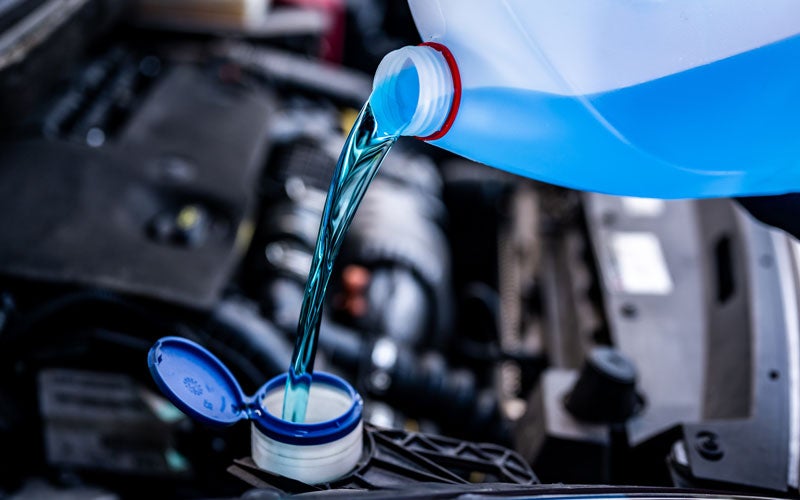
Your Ford’s cooling system helps the engine stay within its intended temperature range. In Miami, it is sensible to pay attention to that system year-round, but warm weather alone does not set a new coolant replacement schedule. The correct interval and coolant specification depend on your vehicle. Check the maintenance schedule in its owner’s manual. What does each part do? Coolant carries heat away from the engine and helps protect cooling-system components. Hoses move that coolant between parts of the system. The radiator releases heat from the coolant, while the thermostat helps control when coolant flows through the radiator. These parts work together. A low coolant level, damaged hose, restricted radiator, or thermostat problem can affect engine temperature, but a symptom by itself will not identify which part needs attention. What should you check between services? When the engine is completely cool, check the coolant level against the markings on the reservoir as directed by your owner’s manual. Look for visible leaks or dried residue near accessible hoses and beneath your usual parking spot. Note any hose that appears swollen or cracked, but do not squeeze or remove parts to investigate. If the level keeps dropping, arrange an inspection rather than repeatedly topping it off. Use only the coolant type specified for your Ford; coolant products are not all interchangeable. Never remove the coolant reservoir cap while the engine or cooling system is hot. Which signs call for an inspection? A temperature warning, an unusually high temperature reading, steam, a visible leak, or a sweet smell near the vehicle can signal a cooling-system concern. Cabin heat that behaves differently than usual may also be worth mentioning. These observations help a technician investigate; they do not confirm that the radiator or thermostat has failed. If your Ford warns that the engine is overheating, safely pull over and follow the instructions in the owner’s manual. Do not continue driving in hopes that the temperature will settle, and do not open a hot cooling system. Arrange assistance if the warning persists or the vehicle cannot be driven safely. When is coolant service due? Use your Ford’s model- and year-specific maintenance schedule for the coolant replacement interval. At a service visit, a technician can check the coolant’s condition and level, inspect accessible hoses and connections, and look for leaks. If you have reported overheating or repeated coolant loss, diagnosis should come before a recommendation to replace parts or simply exchange the coolant. For Ford cooling system service in Miami, tell Midway Ford what you have observed and when it happens. That gives the team a starting point for an inspection and helps distinguish scheduled Ford coolant service from a problem that needs diagnosis.
Does Your Ford Need a New Battery or Just a Test?
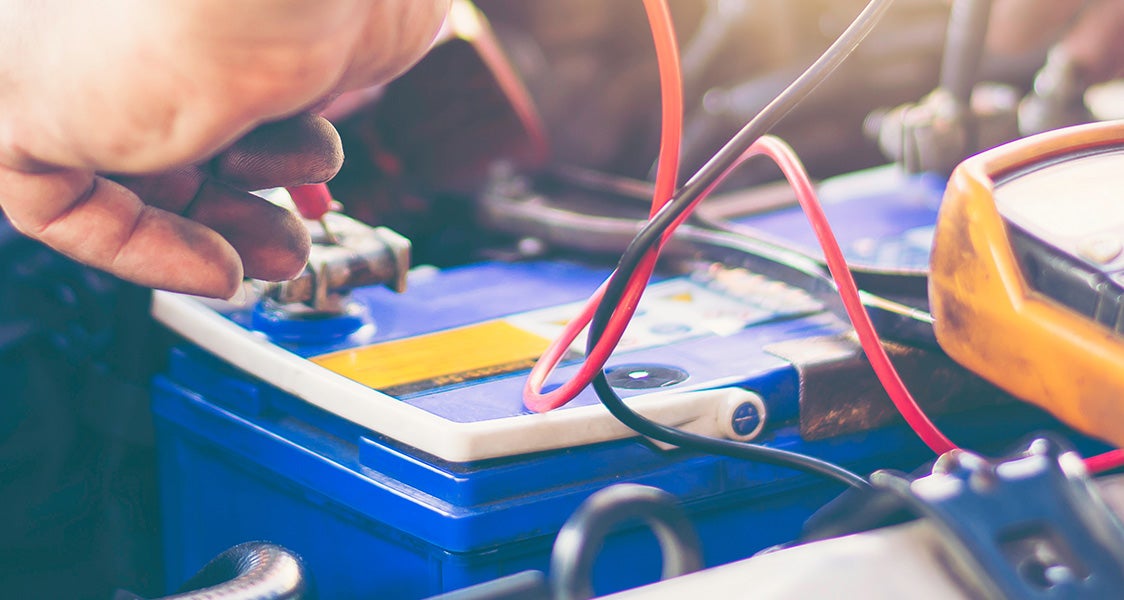
A slow start can make you wonder whether it is time for a Ford battery replacement. It is a reason to test the battery, but it does not prove the battery has failed. The starting and charging systems work together, and a problem elsewhere can produce similar symptoms. Miami’s heat can contribute to battery wear over time. Still, neither the weather nor the battery’s age tells you how well it performs today. A test provides a better starting point for a service decision. What should you notice before an appointment? Pay attention to whether the engine cranks more slowly than usual, especially after the vehicle has been parked overnight. Tell the service advisor if you have needed a jump-start and whether the problem returned afterward. Intermittent electrical issues are also worth describing. You might notice lights that dim or flicker, accessories that behave unexpectedly, or a low-battery message. Note when the issue happens and whether it appears while driving or only when starting. These details can help a technician decide what to check, but none points to a certain diagnosis by itself. What can a battery test reveal? A battery test can check its state of charge and its ability to supply power for starting. A low charge does not always mean the battery needs replacement. The technician may need to charge and retest it, inspect the connections, or investigate why it is losing charge. A charging-system test checks whether the vehicle is replenishing the battery while the engine runs. If that system is not working correctly, installing a new battery alone may leave you with the same problem. Testing both systems helps separate a weak battery from a charging concern before recommending a repair. When should you act sooner? Arrange a car battery test in Miami if slow starts become frequent or you need repeated jump-starts. If a charging-system warning appears while driving, follow your Ford owner’s manual and have the vehicle checked promptly. That warning calls for more than an assumption that the battery is old. Midway Ford offers battery testing for drivers who are unsure what their vehicle needs. Describe the starting or electrical symptoms you have noticed so the service team can check the battery, its connections, and the charging system as appropriate. Ford battery replacement makes sense when the findings support it—not simply because a certain number of years has passed.